
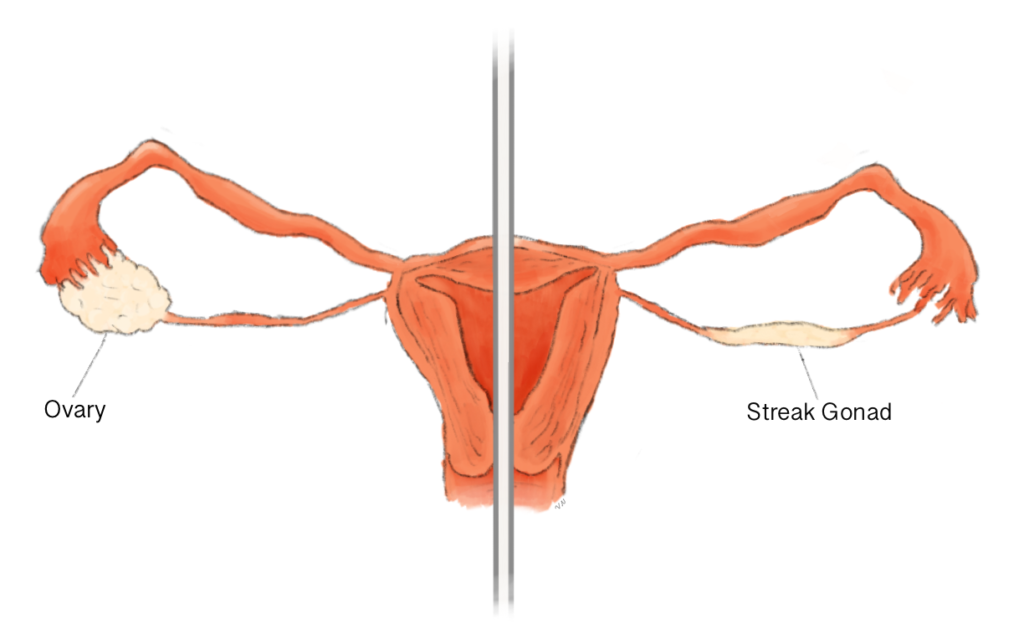
Polycystic ovary syndrome (PCOS) is a common hormone condition that affects how the ovaries work. It can cause irregular or absent periods, excess facial and body hair, acne, weight gain and difficulty getting pregnant. It is also linked to a higher risk of type 2 diabetes. WHO estimates that PCOS affects about 1 in 10 women of reproductive age, and many do not know they have it. Some health services have started using a new name for the condition, polyendocrine metabolic ovarian syndrome (PMOS), to reflect that it affects the whole body, not just the ovaries.
Key facts
- PCOS is one of the most common causes of irregular periods and of difficulty getting pregnant.
- Despite the name, you do not need cysts on the ovaries to have PCOS.
- It is linked to insulin resistance, which raises the risk of type 2 diabetes.
- There is no cure, but symptoms can be managed.
- Most women with PCOS can get pregnant, sometimes with treatment.
What causes PCOS
The exact cause is unknown. It tends to run in families. Two key features are:
- Higher levels of male-type hormones (androgens), which interfere with ovulation and cause hair growth and acne
- Insulin resistance, where the body does not respond well to insulin, so more is produced. High insulin increases androgen production and makes weight gain easier.
Symptoms
- Irregular, infrequent or absent periods
- Difficulty getting pregnant
- Excess hair on the face, chest, back or stomach (hirsutism)
- Acne and oily skin
- Thinning hair on the scalp
- Weight gain, especially around the waist
- Dark, velvety patches of skin in the neck, armpits or groin (acanthosis nigricans), a sign of insulin resistance
- Low mood or anxiety
Symptoms often begin in the late teens or early twenties.
Diagnosis
PCOS is usually diagnosed when at least two of these three features are present, after other causes have been ruled out:
- Irregular or absent ovulation, shown by irregular periods
- Signs of high androgens, either symptoms such as excess hair or raised levels on a blood test
- Many small follicles on the ovaries on an ultrasound scan
Blood tests also check thyroid function, prolactin, blood sugar and cholesterol. See our guide to hypothyroidism, which can also cause irregular periods.
Long-term health risks
- Type 2 diabetes and diabetes in pregnancy
- High cholesterol and high blood pressure
- Sleep apnoea
- Thickening of the womb lining if periods are very infrequent, which increases the risk of womb cancer
- Depression and anxiety
Treatment
Lifestyle
For women who are overweight, losing even 5% of body weight can make periods more regular, improve fertility and reduce the risk of diabetes. Regular physical activity and a diet with less refined carbohydrate and sugar help, whatever your weight.
Medicines
- Combined contraceptive pill to regulate periods, protect the womb lining and reduce hair growth and acne
- Progestogen tablets to trigger a period if periods are very infrequent
- Metformin to improve insulin resistance in some women
- Letrozole or clomiphene to help ovulation for women trying to get pregnant, under specialist care
- Treatments for excess hair and acne, including creams, some tablets, and hair removal methods
Fertility
If medicines do not bring on ovulation, other options include injections, a minor keyhole operation on the ovaries, or IVF. See our infertility guide.
Living with PCOS
- Have your blood sugar, blood pressure and cholesterol checked regularly.
- Keep a record of your periods, and see a doctor if you go more than three months without one.
- Look after your mental health, and seek support if PCOS affects your mood or confidence.
- Be cautious of “PCOS cure” supplements and herbal products, which are often expensive and unproven.
When to see a doctor
See a doctor if your periods are irregular or absent, you have excess hair growth or severe acne, or you have been trying to get pregnant for a year (or six months if you are over 35). Seek urgent care for very heavy bleeding, or severe pelvic pain.
Frequently asked questions
Can I get pregnant with PCOS?
Yes. Many women with PCOS conceive naturally, and treatment helps most others.
Do slim women get PCOS?
Yes. PCOS affects women of all body sizes, although weight gain can make symptoms worse.
Related guides
Sources
- World Health Organization: Polycystic ovary syndrome fact sheet
- NHS: Polyendocrine metabolic ovarian syndrome (PMOS), formerly PCOS
