
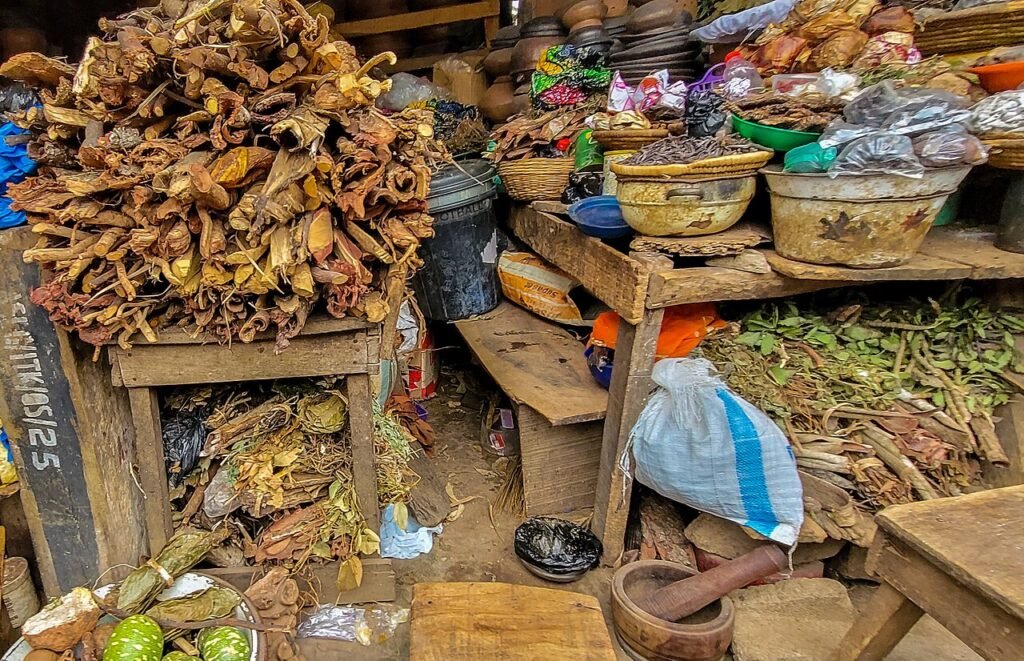
Agbo and other herbal mixtures are widely used in Nigeria for malaria, typhoid, “pile”, fertility, “weak body” and many other problems. Some plants contain active substances, and several modern medicines, including artemisinin for malaria, were developed from plants. But most herbal mixtures sold in markets and on the street have never been tested for safety or effectiveness, and their contents and strength vary from batch to batch. This guide explains what is known, so you can make safer choices.
Key facts
- “Natural” does not mean safe. Some plants are toxic to the liver and kidneys.
- Most herbal mixtures have not been tested in proper clinical trials.
- Products may be contaminated with heavy metals, microbes, or hidden prescription drugs such as steroids.
- Herbs can interact with medicines, including those for HIV, diabetes, blood pressure and blood thinning.
- Delaying proven treatment for conditions such as malaria can be fatal.
What the evidence shows
- Artemisinin, from the sweet wormwood plant, is the basis of modern malaria treatment (ACTs). But drinking the raw plant or an agbo mixture does not give a reliable dose and is not a substitute for ACTs. See our malaria guide.
- Many plants show effects in laboratory studies, but that does not mean they work or are safe in people at the doses used in mixtures.
- No herbal mixture has been proven to cure diabetes, high blood pressure, cancer, HIV, infertility or sickle cell disease.
WHO supports research into traditional medicine and encourages countries to regulate it, so that products are safe, effective and of good quality.
The risks
Liver and kidney damage
Liver and kidney injury from herbal products is well documented. Some people only discover the damage when they develop yellow eyes, swelling or kidney failure. See our guides to liver cirrhosis and chronic kidney disease.
Contamination and hidden drugs
Studies of herbal products in several countries have found heavy metals such as lead and mercury, bacteria and fungi, and undeclared prescription medicines such as steroids and painkillers. Hidden steroids can make a person feel better at first while causing serious harm.
Alcohol
Many agbo preparations are soaked in alcohol (“paraga” and “ogogoro”-based mixtures), which harms the liver and is dangerous in pregnancy and for children.
Interactions with medicines
Herbs can make medicines stronger or weaker. For example, some herbs reduce the effect of HIV medicines or contraceptives, increase bleeding with blood thinners, or lower blood sugar dangerously with diabetes medicines.
Delayed treatment
The biggest danger is often delay. Malaria, typhoid, pneumonia, cancer and many other conditions become harder to treat, or fatal, when proper care is postponed.
Who should avoid herbal mixtures
- Pregnant and breastfeeding women
- Babies and young children
- People with liver or kidney disease
- People taking regular medicines, such as for HIV, diabetes, epilepsy, high blood pressure or blood thinning
- Anyone before surgery
If you choose to use herbal products
- Tell your doctor, nurse or pharmacist exactly what you take.
- Choose products registered with NAFDAC, and check the registration number.
- Never stop prescribed medicines in favour of herbal products.
- Do not give herbal mixtures to babies and young children.
- Stop immediately and seek care if you develop yellow eyes, dark urine, reduced urine, swelling, rash, vomiting or severe tiredness.
Frequently asked questions
Is bitter leaf or moringa safe?
Eating vegetables like bitter leaf and moringa as normal foods is generally safe. Concentrated extracts, large doses or long-term use as medicine have not been well studied.
Can agbo cure typhoid?
There is no good evidence that it can. Typhoid needs the right antibiotics after proper diagnosis. See our typhoid guide.
Related guides


Sources
- World Health Organization: Traditional, complementary and integrative medicine
- National Center for Complementary and Integrative Health (NIH): Herbs at a glance
