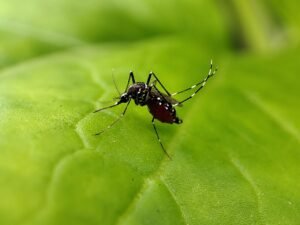
Malaria is a serious infection caused by Plasmodium parasites, spread through the bite of infected female Anopheles mosquitoes. It is preventable and curable, but it can become life-threatening within a day, especially in young children and pregnant women. Nigeria carries the largest share of the world’s malaria cases and deaths, so knowing the signs and getting tested quickly saves lives.
Key facts
- Malaria is spread by mosquitoes that bite mainly between dusk and dawn.
- Symptoms usually start 10 to 15 days after an infected bite.
- Always confirm malaria with a test (rapid test or blood film) before treatment.
- Artemisinin-based combination therapy (ACT) is the standard treatment for uncomplicated malaria.
- Sleeping under an insecticide-treated net every night is one of the most effective ways to prevent it.
What causes malaria
Five species of Plasmodium infect humans. In Nigeria almost all cases are caused by Plasmodium falciparum, the species most likely to cause severe disease. When an infected mosquito bites, parasites travel to the liver, multiply, and then invade red blood cells. The cycle of red cells bursting open is what causes the fever and chills.
Malaria does not spread from person to person through casual contact. It can rarely pass from mother to baby during pregnancy, or through blood transfusion.
Who is most at risk
- Children under five, who have not yet built partial immunity
- Pregnant women, in whom malaria can cause anaemia, miscarriage and low birth weight
- People living with HIV
- Travellers and people returning home after living for years in a country without malaria, who lose their partial immunity
Symptoms
Early malaria can feel like flu. Common symptoms include:
- Fever, often with chills and sweating
- Headache
- Body and joint aches
- Tiredness
- Nausea, vomiting or loss of appetite
- Diarrhoea, especially in children
Danger signs of severe malaria
Severe malaria is a medical emergency. Signs include:
- Confusion, extreme drowsiness or fits (convulsions)
- Difficulty breathing
- Inability to drink or keep anything down
- Very pale palms or lips (severe anaemia)
- Yellow eyes, dark or cola-coloured urine, or passing very little urine
- Unusual bleeding
Diagnosis: test before you treat
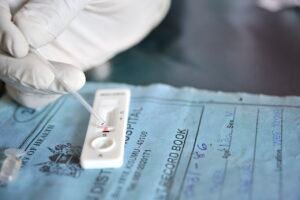
Many fevers in Nigeria are treated as malaria without a test. This is risky, because other serious illnesses such as typhoid, Lassa fever, pneumonia and meningitis can look the same. WHO recommends confirming malaria before treatment with:
- A rapid diagnostic test (RDT), which gives a result from a finger-prick of blood in about 15 minutes
- A blood film examined under a microscope, which can also show how many parasites are present
If the test is negative and the fever continues, go back to a health worker to look for another cause.
Treatment
Uncomplicated malaria
The recommended treatment is an artemisinin-based combination therapy (ACT), such as artemether-lumefantrine, given for three days. Take the full course even if you feel better after the first doses, and take artemether-lumefantrine with food or milk to help absorption. Your health worker will choose the right medicine and dose for age, weight and pregnancy.
Severe malaria
Severe malaria needs hospital care. The first choice of treatment is injectable artesunate, followed by a full course of ACT once the person can swallow. Where a hospital is far away, a health worker may give rectal artesunate to a young child before transfer.
What not to do
- Do not rely on herbal mixtures or “agbo” to treat malaria. They have not been shown to clear the parasite, and delay can be fatal.
- Avoid chloroquine and single-drug artemisinin tablets for falciparum malaria. Resistance makes them unreliable.
- Do not stop treatment early.
Prevention
- Sleep under an insecticide-treated net (ITN) every night, and make sure children and pregnant women do too.
- Reduce mosquito breeding by clearing stagnant water, covering water containers and keeping gutters clear.
- Use repellent and wear long sleeves in the evening.
- Use window and door screens where possible, and support indoor residual spraying programmes.
- Pregnant women should attend antenatal care, where they are offered preventive treatment with sulfadoxine-pyrimethamine (IPTp).
- Children in some areas receive seasonal malaria chemoprevention during the rainy season.
- Vaccination: WHO recommends the RTS,S and R21 malaria vaccines for children in areas with ongoing transmission, and Nigeria has begun introducing malaria vaccination. Ask at your local health centre whether it is available.
When to see a doctor
Get tested the same day if you or your child has a fever. Seek emergency care immediately for any danger sign: convulsions, confusion or unusual sleepiness, difficulty breathing, inability to drink, or very little urine. For babies and young children, do not wait overnight.
Frequently asked questions
Can you get malaria more than once?
Yes. Infection gives only partial, short-lived immunity, so people in malaria areas can be infected many times.
Is every fever malaria?
No. That is why testing is important. A negative test means the fever needs to be investigated further.
Does malaria cause typhoid?
No. They are separate infections with different causes. A person can have both at once, but the popular “malaria-typhoid” diagnosis based on the Widal test alone is often wrong.