Pneumonia is an infection that inflames the air sacs in one or both lungs, which fill with fluid or pus. It causes cough, fever and difficulty breathing. Pneumonia can affect anyone, but it is most dangerous for young children, older adults and people with weak immune systems. WHO reports that pneumonia is the single largest infectious cause of death in children worldwide, and Nigeria has one of the highest numbers of child pneumonia deaths. Most of these deaths are preventable.
Key facts
- Pneumonia can be caused by bacteria, viruses or fungi.
- In children, fast breathing and the lower chest pulling in are key warning signs.
- Bacterial pneumonia is treated with antibiotics, often amoxicillin.
- Vaccines (pneumococcal, Hib, measles and whooping cough) prevent many cases.
- Breastfeeding, good nutrition and clean cooking fuels reduce the risk.
Causes
- Bacteria: Streptococcus pneumoniae is the most common cause. Haemophilus influenzae type b is another.
- Viruses: including respiratory syncytial virus (RSV), influenza and COVID-19
- Fungi: mainly in people with advanced HIV
- Tuberculosis can also cause long-lasting pneumonia. See our TB guide.
Risk factors
- Age under 5 or over 65
- Malnutrition and not being breastfed
- Missing vaccines
- Smoke from cooking with wood, charcoal or kerosene indoors
- HIV, diabetes, sickle cell disease, COPD or heart failure
- Smoking and heavy alcohol use
- Recent infections such as measles or flu
Symptoms
In adults
- Cough, which may bring up yellow, green or bloody phlegm
- Fever and shivering
- Shortness of breath and fast breathing
- Chest pain that is worse when breathing in or coughing
- Tiredness and loss of appetite
- Confusion in older people
In children
- Cough or difficult breathing
- Fast breathing: count breaths for one full minute while the child is calm. Fast breathing is 60 or more in babies under 2 months, 50 or more from 2 to 12 months, and 40 or more from 1 to 5 years.
- Chest indrawing: the lower chest wall pulls in when the child breathes in
- Fever, poor feeding, or grunting
Diagnosis
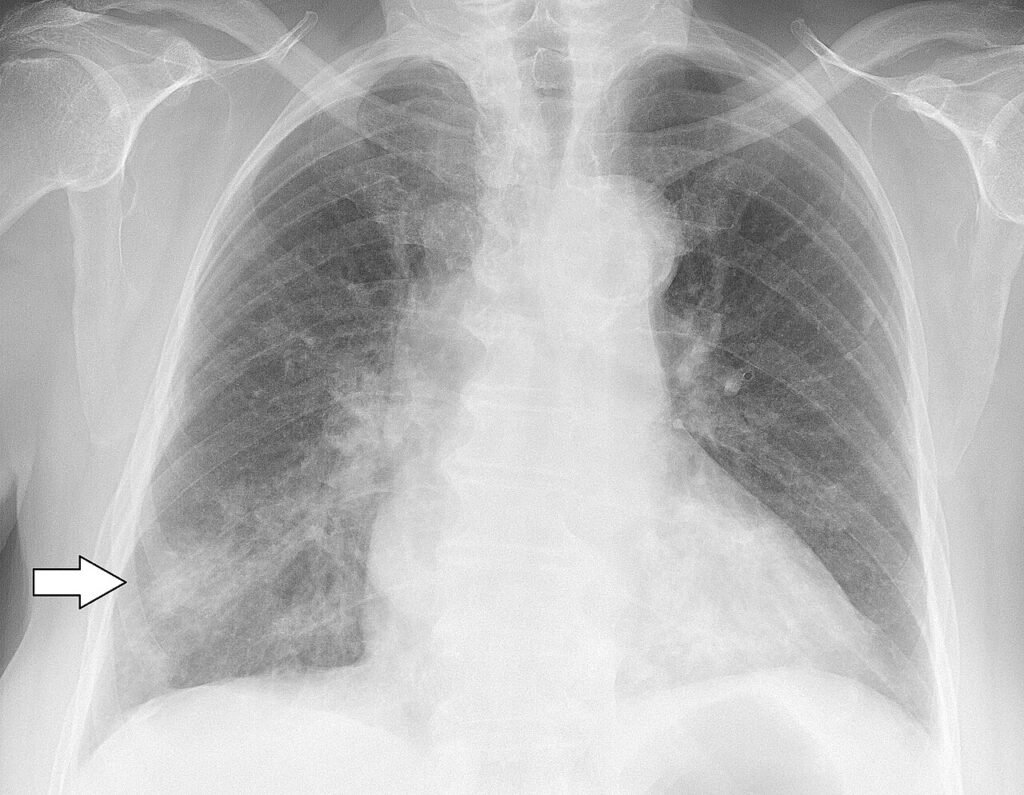
Health workers diagnose pneumonia by examining the chest, counting breathing and checking oxygen levels with a pulse oximeter. A chest X-ray and blood tests may be done, especially in adults. A malaria test is also important, since fever and fast breathing can have more than one cause.
Treatment
- Antibiotics for bacterial pneumonia. In children, amoxicillin tablets are the first choice for pneumonia without danger signs. Adults are treated according to severity.
- Finish the full course of antibiotics.
- Oxygen and hospital care for severe pneumonia or low oxygen levels
- Rest, fluids and continued breastfeeding for babies
- Paracetamol for fever and pain
Viral pneumonia does not respond to antibiotics, but health workers often treat as bacterial if they cannot be sure, particularly in children.
Prevention
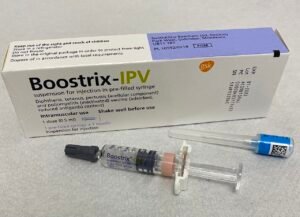
- Vaccines: pneumococcal (PCV), Hib, measles and pertussis vaccines are part of Nigeria’s routine schedule. See our immunisation guide.
- Exclusive breastfeeding for 6 months. See our breastfeeding guide.
- Good nutrition, including vitamin A supplements for children
- Cleaner air: cook outdoors or with cleaner fuels, and never smoke near children
- Handwashing with soap
- HIV testing and treatment, and preventive medicine for children exposed to HIV
When to see a doctor
See a health worker for any cough with fever, or cough lasting more than 3 weeks. Seek emergency care for a child who has chest indrawing, cannot drink or breastfeed, is very sleepy, has fits, has blue lips, or is grunting, and for anyone who is struggling to breathe, confused, or has chest pain.
Frequently asked questions
Is pneumonia contagious?
The germs that cause pneumonia can spread through coughs and sneezes, but not everyone exposed develops pneumonia.
How long does recovery take?
Most people feel better within 1 to 2 weeks, but tiredness and cough can last several weeks.