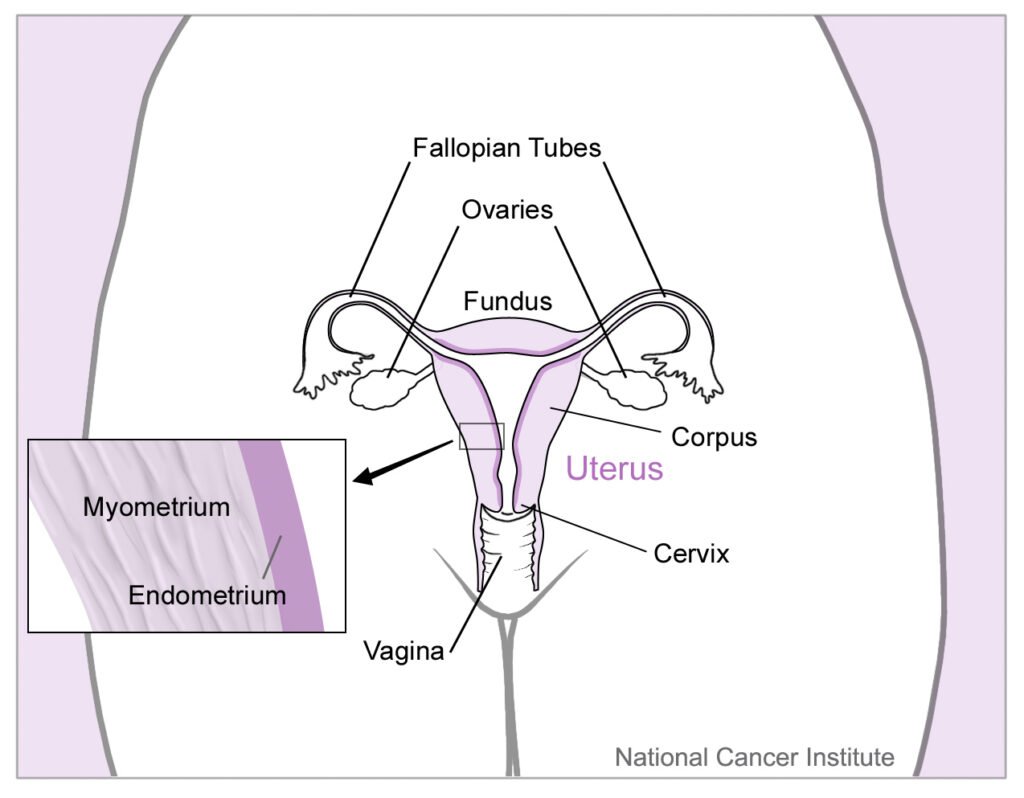
Fibroids (uterine fibroids or myomas) are non-cancerous growths of muscle and fibrous tissue in or on the womb. They are very common, especially in Black women, who tend to develop them at a younger age and with more symptoms. Many fibroids cause no problems, but others cause heavy periods, pain, pressure and difficulty getting pregnant. Effective treatments are available.
Key facts
- Fibroids are almost always benign. They are not cancer and rarely become cancer.
- Black women are two to three times more likely to have fibroids than white women.
- Heavy or prolonged periods are the most common symptom.
- Fibroids usually shrink after menopause.
- Treatment depends on symptoms, fibroid size and location, and whether you want to get pregnant.
Types of fibroids
- Intramural: within the muscle wall of the womb, the most common type.
- Subserosal: on the outer surface of the womb, which can press on the bladder or bowel.
- Submucosal: just under the womb lining, bulging into the cavity. These often cause heavy bleeding and fertility problems.
- Pedunculated: attached to the womb by a stalk.
Causes and risk factors
The exact cause is not known, but fibroid growth is linked to the hormones oestrogen and progesterone. Risk factors include:
- Being of African descent
- Family history of fibroids
- Age 30 to 50
- Obesity
- Early first period
- Low vitamin D levels
- Never having been pregnant
Symptoms
- Heavy or long periods, sometimes with clots
- Tiredness and breathlessness from anaemia caused by blood loss
- Pelvic pain or pressure, or a swollen lower abdomen
- Needing to pass urine often
- Constipation
- Pain during sex
- Lower back pain
- Difficulty getting pregnant, or miscarriage
Fibroids and fertility
Most women with fibroids can get pregnant. However, submucosal fibroids and large fibroids that distort the womb cavity can make it harder to conceive or increase the risk of miscarriage. During pregnancy, fibroids can sometimes grow and cause pain, and may affect the baby’s position or the type of delivery. If you have fibroids and are trying to conceive, discuss the options with a gynaecologist. See also our infertility guide.
Diagnosis
- Pelvic examination
- Ultrasound scan, usually abdominal and transvaginal, is the main test.
- MRI to plan treatment in some cases
- Hysteroscopy, a small camera passed into the womb, to look at submucosal fibroids
- Blood count to check for anaemia
Treatment
Fibroids that cause no symptoms usually need no treatment, only occasional monitoring.
Medicines
- Tranexamic acid and anti-inflammatory painkillers taken during periods to reduce bleeding and pain
- Hormonal treatments, such as the contraceptive pill or the hormonal intrauterine system (IUS), to control heavy bleeding
- GnRH analogue injections or newer oral medicines that shrink fibroids for a limited time, often before surgery
- Iron supplements to treat anaemia
Procedures and surgery
- Myomectomy: surgical removal of fibroids while keeping the womb, suitable for women who want to become pregnant. It can be done through an abdominal incision, by keyhole surgery, or through the vagina with a hysteroscope for submucosal fibroids.
- Uterine artery embolisation: a radiologist blocks the blood supply to fibroids so they shrink, available in some Nigerian centres.
- Hysterectomy: removal of the womb, which permanently cures fibroids, for women who do not want future pregnancies.
Fibroids can grow back after myomectomy, so some women need further treatment later.
A note on herbal remedies
Many herbal products claim to “flush out” or dissolve fibroids. There is no good evidence that they work, and they can delay effective treatment while heavy bleeding causes severe anaemia. Speak to a doctor before using any remedy.
When to see a doctor
See a doctor if you have heavy, painful or irregular periods, pelvic pressure, frequent urination, or trouble getting pregnant. Seek urgent care for very heavy bleeding that soaks a pad every hour for several hours, severe pelvic pain, or fainting and breathlessness.
Frequently asked questions
Can fibroids turn into cancer?
This is very rare. A fibroid that grows quickly after menopause should be checked.
Do fibroids come back after surgery?
New fibroids can develop after myomectomy. They do not come back after hysterectomy.