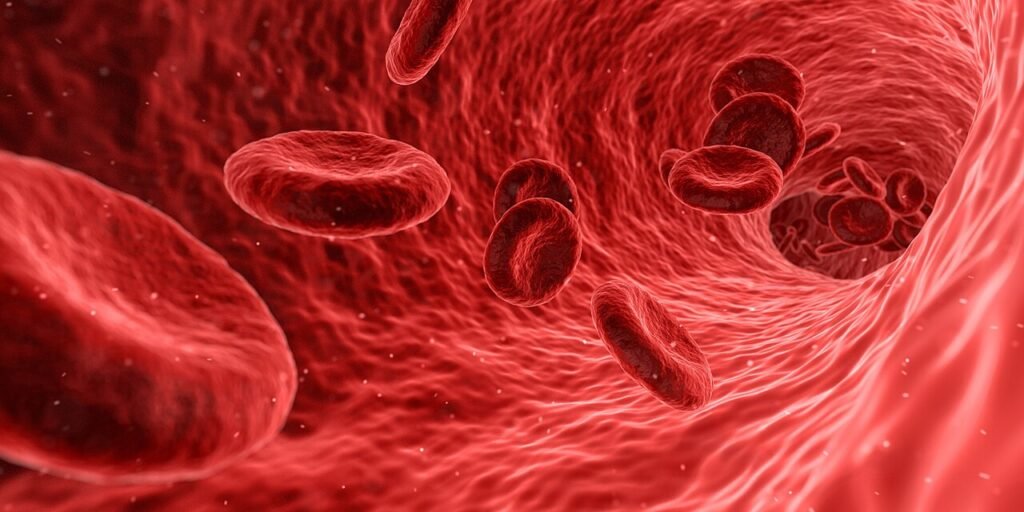
Anaemia is a condition in which the blood has fewer healthy red blood cells or less haemoglobin than normal. Haemoglobin carries oxygen around the body, so anaemia leaves people tired, weak and short of breath. It is very common in Nigeria, especially among young children, pregnant women and women of childbearing age. Most anaemia can be treated once the cause is found.
Key facts
- Iron deficiency is the most common cause of anaemia worldwide.
- In Nigeria, malaria, intestinal worms, heavy periods and sickle cell disease are also important causes.
- A simple blood test (full blood count or haemoglobin level) diagnoses anaemia.
- Treatment depends on the cause, so it is important not to guess.
- Anaemia in pregnancy increases risks for both mother and baby.
Causes
Not enough red blood cells being made
- Iron deficiency from a diet low in iron, poor absorption, or increased needs in pregnancy and growing children
- Vitamin B12 or folate deficiency
- Chronic diseases such as kidney disease, HIV and tuberculosis
- Bone marrow problems, including some cancers
Blood loss
- Heavy menstrual periods, often from fibroids
- Bleeding in the gut from ulcers, piles, or regular use of painkillers such as ibuprofen
- Hookworm infection, which causes slow blood loss from the intestine
- Childbirth
Red blood cells being destroyed too quickly
- Malaria, a major cause in young children
- Sickle cell disease
- G6PD deficiency, an inherited condition in which some medicines, infections or fava beans trigger red cell breakdown
Symptoms
- Tiredness and lack of energy
- Shortness of breath, especially with activity
- Pale skin, palms, inner eyelids and gums. Paleness of the palms and eyelids is often easier to see than skin colour on darker skin.
- Dizziness or headaches
- A fast or pounding heartbeat (palpitations)
- Cold hands and feet
- Brittle nails, or craving non-food items such as ice, clay or chalk (pica) in iron deficiency
Mild anaemia may cause no symptoms at all.
Diagnosis
- Full blood count (FBC) measures haemoglobin and the size and number of red cells.
- Iron studies, including ferritin, show whether iron stores are low.
- Vitamin B12 and folate levels
- Malaria test, stool test for worms and genotype where relevant
- Further tests to look for blood loss, such as endoscopy, if needed
As a guide, WHO defines anaemia as haemoglobin below 13 g/dL in men, below 12 g/dL in non-pregnant women, and below 11 g/dL in pregnant women and young children.
Treatment
- Iron tablets for iron deficiency, usually taken for about three months after haemoglobin returns to normal to rebuild stores. Take them with water or orange juice, not with tea or milk. They can cause dark stools, constipation or stomach upset.
- Treating the cause: antimalarials, deworming, managing heavy periods, or treating ulcers.
- Vitamin B12 injections or tablets and folic acid for those deficiencies.
- Blood transfusion for severe anaemia or when someone is very unwell.
Do not take iron tablets for long periods without a diagnosis, particularly if you have sickle cell disease, as some people absorb too much iron.
Iron-rich foods
- Liver, beef, goat meat and chicken
- Fish, including sardines and mackerel
- Beans, cowpeas, lentils and groundnuts
- Dark green leafy vegetables such as ugu, spinach (efo) and bitter leaf
- Fortified breakfast cereals and flour
- Eggs
Tips for better absorption: eat iron-rich foods with vitamin C, such as oranges, tomatoes or peppers. Avoid drinking tea or coffee with meals, as they reduce iron absorption.
Anaemia in pregnancy
Pregnancy increases the body’s need for iron and folate. Anaemia raises the risk of premature birth, low birth weight and dangerous bleeding during delivery. Attend antenatal care early, take the iron and folic acid supplements given at the clinic, and sleep under a treated net to prevent malaria.
When to see a doctor
See a health worker if you feel tired, breathless or look pale for more than a couple of weeks, or have heavy periods. Seek urgent care for severe breathlessness, chest pain, fainting, a very pale child who is breathing fast, or signs of bleeding such as black stools or vomiting blood.
Frequently asked questions
Does drinking malt or “blood tonic” cure anaemia?
Some tonics contain small amounts of iron, but they are rarely enough to treat anaemia, and they do not treat the cause. Get tested and follow proper treatment.
How long does it take to recover?
With iron treatment, haemoglobin usually starts rising within a few weeks, and many people feel better within a month.