Infertility means not getting pregnant after 12 months or more of regular unprotected sex. WHO estimates that about 1 in 6 people worldwide experience infertility at some point in their lives. It affects men as often as women, and in many couples there is a cause on both sides. Many causes can be treated, so seeking help early gives the best chance of success.
Key facts
- Most couples conceive within a year of trying.
- Women over 35 should seek advice after 6 months of trying.
- Male factors contribute to about half of all cases, so both partners should be tested.
- Untreated sexually transmitted infections are a preventable cause of infertility.
- Treatment ranges from lifestyle changes and medicines to surgery and IVF.
Types of infertility
- Primary infertility: a couple who has never achieved a pregnancy.
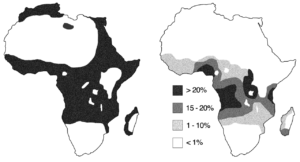
- Secondary infertility: difficulty getting pregnant after at least one previous pregnancy. This is common in sub-Saharan Africa, often after infections.
Causes in women
- Ovulation problems: polycystic ovary syndrome (PCOS), thyroid disease (see hypothyroidism), high prolactin levels, being very underweight or overweight, and early menopause.
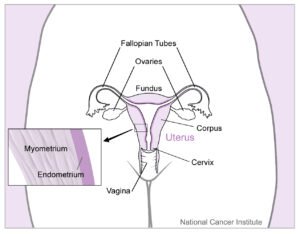
- Blocked or damaged fallopian tubes: often caused by pelvic inflammatory disease from untreated chlamydia or gonorrhoea, infection after childbirth or unsafe abortion, or previous surgery.
- Uterine problems: fibroids, which are very common in Black women, polyps, or scarring inside the womb.
- Endometriosis: tissue similar to the womb lining growing outside the womb, causing pain and scarring.
- Age: fertility falls gradually from the early 30s and more sharply after 35, because egg numbers and quality decline.
Causes in men
- Low sperm count, poor sperm movement or abnormally shaped sperm
- Varicocele, swollen veins in the scrotum that can overheat the testes
- Past infections, including sexually transmitted infections and mumps affecting the testes
- Hormone problems
- Blockages in the tubes that carry sperm
- Problems with erection or ejaculation
- Lifestyle factors such as smoking, heavy alcohol use, anabolic steroids and obesity
Unexplained infertility
In some couples, standard tests find no clear cause. This can be frustrating, but many of these couples still conceive naturally or with treatment.
Tests for infertility
For women
- Blood tests to check hormones and confirm ovulation, often taken about a week before an expected period
- Pelvic ultrasound to look at the womb and ovaries
- Hysterosalpingography (HSG), an X-ray with dye that shows whether the tubes are open
- Laparoscopy (keyhole surgery) in some cases to look for endometriosis or tube damage
For men
- Semen analysis, which checks the number, movement and shape of sperm
- Hormone blood tests and a physical examination where needed
For both
- Screening for sexually transmitted infections
- Checking general health, including blood sugar, thyroid function and genotype
Treatment options
Lifestyle changes
- Reaching a healthy weight
- Stopping smoking and limiting alcohol
- Having sex every 2 to 3 days throughout the cycle
- Taking folic acid if you are trying to conceive
Medicines
Medicines such as clomiphene or letrozole can help women who do not ovulate regularly, particularly those with PCOS. They should only be used with medical supervision and monitoring.
Surgery
Surgery can remove fibroids or polyps, treat endometriosis, repair some tubal damage, or correct a varicocele in men.
Assisted reproduction
- Intrauterine insemination (IUI): prepared sperm are placed directly in the womb around ovulation.
- In vitro fertilisation (IVF): eggs are collected and fertilised in a laboratory, and an embryo is transferred to the womb.
- ICSI: a single sperm is injected into each egg, used mainly for male infertility.
- Donor eggs or sperm may be options for some couples.
IVF is available in Nigeria at private fertility centres. Success rates depend strongly on the woman’s age. Ask any clinic for its success rates and full costs before starting.
The emotional side
Infertility can cause grief, stress and strain on relationships, and in many communities women face unfair blame and stigma. Remember that infertility is a medical condition, that men are affected as often as women, and that it is nobody’s fault. Counselling, support groups and honest communication between partners can help.
Prevention
- Use condoms and get tested and treated promptly for sexually transmitted infections.
- Seek safe care for childbirth and abortion to prevent pelvic infection.
- Keep a healthy weight, avoid smoking and limit alcohol.
- Be aware that fertility declines with age when planning a family.
When to see a doctor
See a doctor if you have not conceived after 12 months of trying, or after 6 months if the woman is 35 or older. Go sooner if you have irregular or absent periods, very painful periods, a history of pelvic infection, or known problems with the testes.
Frequently asked questions
Is infertility always the woman’s problem?
No. Male factors are involved in about half of cases, which is why both partners should be tested from the start.
Can herbal remedies cure infertility?
There is no good evidence that herbal mixtures treat infertility, and some can harm the liver or kidneys. Speak to a doctor about proven treatments.