
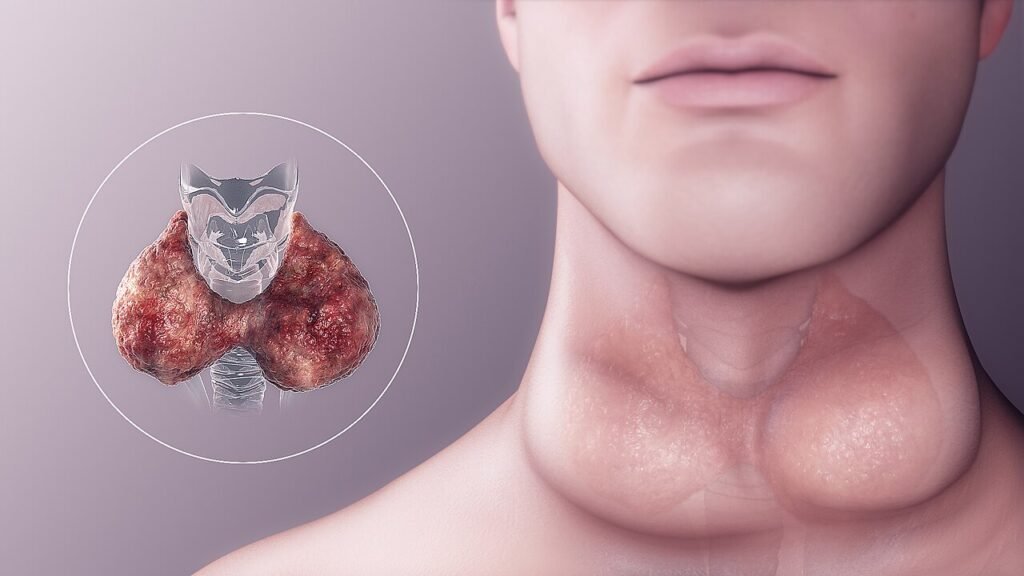
Hypothyroidism, or an underactive thyroid, happens when the thyroid gland does not make enough thyroid hormone. This hormone controls how the body uses energy, so when levels are low, many body processes slow down. Hypothyroidism is common, especially in women, and it is easily diagnosed with a blood test and treated with a daily tablet.
Key facts
- The thyroid is a butterfly-shaped gland at the front of the neck.
- Hypothyroidism is much more common in women and people over 60.
- Symptoms develop slowly and are easy to mistake for tiredness or ageing.
- The main test is a TSH blood test.
- Levothyroxine, a daily tablet, replaces the missing hormone.
Causes
- Hashimoto’s thyroiditis: an autoimmune condition in which the immune system attacks the thyroid. It is the most common cause where iodine intake is adequate.
- Iodine deficiency: the thyroid needs iodine to make hormone. Using iodised salt has greatly reduced this in Nigeria, but it still occurs in some areas.
- Thyroid surgery or radioactive iodine treatment for an overactive thyroid or thyroid cancer
- Some medicines, such as lithium and amiodarone
- Inflammation of the thyroid, including after pregnancy
- Congenital hypothyroidism, present from birth
- Pituitary problems, rarely
Symptoms
- Tiredness and lack of energy
- Feeling cold
- Weight gain
- Constipation
- Dry skin, brittle hair and nails, and hair thinning
- Slow thinking, poor memory and low mood
- Muscle aches, cramps and weakness
- Heavy or irregular periods and difficulty getting pregnant
- Hoarse voice and a puffy face
- A swelling in the neck (goitre) in some people
Diagnosis
A blood test measures:
- TSH (thyroid-stimulating hormone): made by the pituitary gland. A high TSH usually means the thyroid is underactive.
- Free T4 (thyroxine): the main thyroid hormone. A low level confirms hypothyroidism.
- Thyroid antibodies: suggest Hashimoto’s thyroiditis.
Subclinical hypothyroidism means TSH is raised but T4 is normal. It may be monitored or treated depending on symptoms, TSH level and whether you are pregnant.
Treatment
Levothyroxine is a synthetic version of thyroxine taken once a day.
- Take it at the same time each day, usually in the morning on an empty stomach, 30 to 60 minutes before breakfast or coffee.
- Take it at least four hours apart from calcium, iron, antacids or soy products, which reduce absorption.
- Your dose is adjusted based on blood tests, usually every 6 to 8 weeks at first, then once a year when stable.
- Most people need treatment for life.
- Symptoms usually improve within a few weeks, although it can take several months to feel fully better.
Too much levothyroxine can cause palpitations, anxiety, weight loss and bone thinning, so do not change the dose yourself.
Pregnancy
Thyroid hormone is essential for a baby’s brain development. Women with hypothyroidism who are planning pregnancy or become pregnant should tell their doctor straight away, as the dose usually needs to be increased early in pregnancy.
Complications if untreated
- High cholesterol and heart disease
- Fertility problems and pregnancy complications
- Depression
- In rare, severe cases, myxoedema coma, a life-threatening emergency
- In babies, delayed growth and intellectual disability
When to see a doctor
See a doctor if you have ongoing tiredness, weight gain, feeling cold and other symptoms above, or if you notice a swelling in your neck. If you have another autoimmune condition such as type 1 diabetes or vitiligo, ask about thyroid testing. Seek emergency care for extreme drowsiness, confusion, very low body temperature or slow breathing in someone with known hypothyroidism.
Frequently asked questions
Can diet cure hypothyroidism?
No. Using iodised salt prevents iodine deficiency, but extra iodine or supplements will not fix autoimmune hypothyroidism and can sometimes make thyroid problems worse.
Will I gain weight on levothyroxine?
No. The right dose restores normal metabolism. Some people lose a little weight as fluid retention improves.
Related guides


Sources
- NHS: Underactive thyroid (hypothyroidism)
- National Institute of Diabetes and Digestive and Kidney Diseases (NIH): Hypothyroidism
