Cholesterol is a fatty substance in the blood that the body needs to build cells and make hormones. But too much of the wrong type can build up in the walls of the arteries, narrowing them and raising the risk of heart attack and stroke. High cholesterol causes no symptoms, so the only way to know your level is a blood test.
Key facts
- LDL (“bad”) cholesterol builds up in artery walls. HDL (“good”) cholesterol helps remove it.
- High cholesterol has no symptoms.
- Diet, weight, activity, smoking and genes all affect cholesterol.
- Lifestyle changes can lower cholesterol, and statins lower it further when needed.
- Your overall heart risk matters more than any single number.
Types of cholesterol and fats
- LDL (low-density lipoprotein): carries cholesterol to the arteries. High levels increase heart disease risk.
- HDL (high-density lipoprotein): carries cholesterol away to the liver. Higher levels are generally protective.
- Triglycerides: another blood fat. High levels are linked to obesity, diabetes, alcohol and sugary diets.
- Non-HDL cholesterol: total cholesterol minus HDL, which includes all the harmful types.
Causes and risk factors
- Eating a lot of saturated fat, found in fatty meat, processed meat, butter, pastries and some cooking fats
- Trans fats in some fried and packaged foods
- Being overweight and inactive
- Smoking, which lowers HDL
- Drinking too much alcohol
- Diabetes, underactive thyroid, kidney and liver disease
- Family history: familial hypercholesterolaemia is an inherited condition causing very high cholesterol from a young age
How high cholesterol causes harm
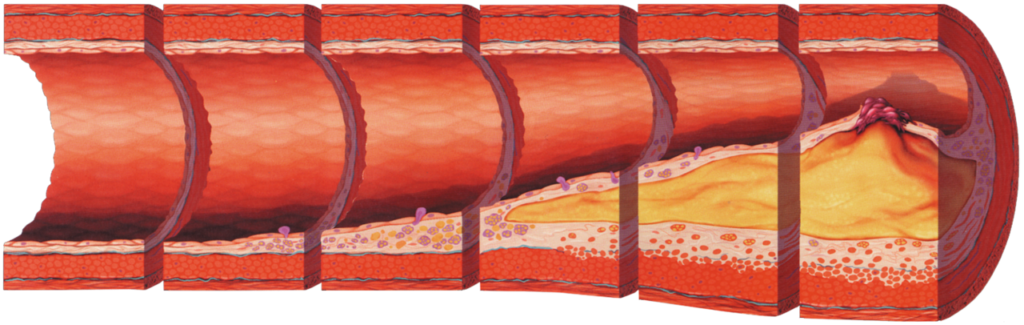
Excess LDL cholesterol enters artery walls and forms fatty deposits called plaques. This process, atherosclerosis, narrows the arteries and reduces blood flow. If a plaque breaks open, a clot can form and block the artery, causing a heart attack or stroke. Narrowed heart arteries can cause angina.
Testing
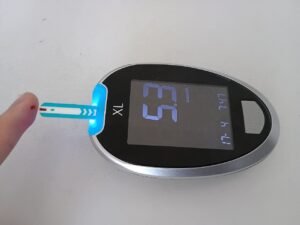
A lipid profile is a simple blood test that measures total cholesterol, LDL, HDL and triglycerides. Fasting may or may not be needed, so follow your health worker’s instructions. Adults should have their cholesterol checked from around age 40, or earlier if they have a family history of early heart disease or high cholesterol, diabetes, or other risk factors.
As a general guide for healthy adults, total cholesterol below 5 mmol/L and LDL below 3 mmol/L are considered desirable. Targets are lower for people who already have heart disease or diabetes. Your doctor will interpret your results together with your blood pressure, age, smoking and other factors to estimate your overall risk.
How to lower cholesterol
Diet
- Replace saturated fats with healthier fats: use small amounts of vegetable oils such as groundnut, soybean or olive oil, and eat fish, especially oily fish like mackerel and sardines.
- Eat more fibre from beans, oats, vegetables, fruit and whole grains. Soluble fibre helps remove cholesterol.
- Limit fatty meats, processed meats, fried snacks, pastries and full-fat dairy.
- Avoid repeatedly reusing frying oil.
- See Food as Medicine for everyday tips.
Lifestyle
- Be active for at least 150 minutes a week.
- Lose weight if you are overweight.
- Stop smoking.
- Limit alcohol.
Medicines
Statins, such as atorvastatin, are the main medicines for lowering LDL and preventing heart attacks and strokes. They are recommended for people at high risk and people who already have heart disease. Most people take them without problems. Report muscle pain to your doctor. Other medicines, such as ezetimibe, may be added if needed.
When to see a doctor
Ask for a cholesterol test if you are over 40, have a family history of heart disease or high cholesterol, or have diabetes, high blood pressure or obesity. Seek emergency care for chest pain, or signs of stroke such as face drooping, arm weakness or slurred speech.
Frequently asked questions
Can thin people have high cholesterol?
Yes. Genes play a large role, so people of any weight can have high cholesterol.
Do eggs raise cholesterol?
For most people, eggs eaten as part of a balanced diet have only a small effect on blood cholesterol. Saturated fat has a bigger impact.