
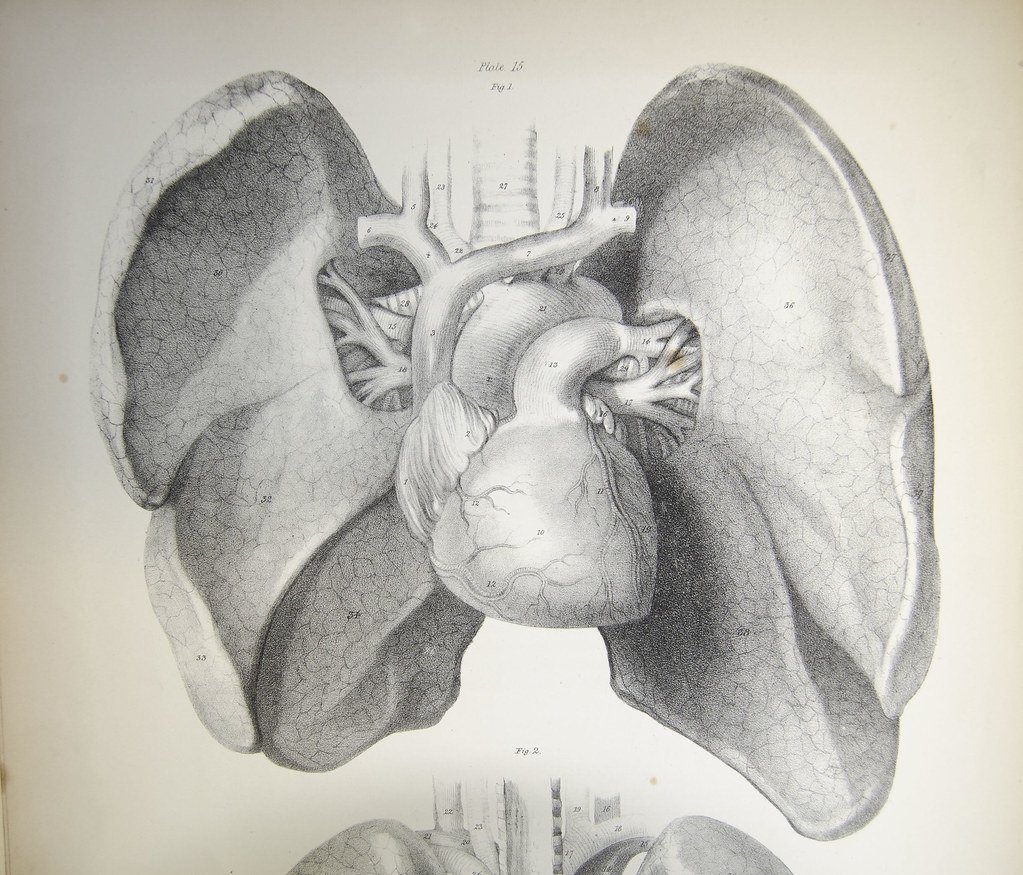
Angina (angina pectoris) is chest pain or discomfort caused by reduced blood flow to the heart muscle. It is usually a symptom of coronary heart disease, in which the arteries supplying the heart are narrowed by fatty deposits. Angina itself is not a heart attack, but it is an important warning that the heart is not getting enough oxygen and that the risk of a heart attack is higher.
Key facts
- Angina often feels like pressure, tightness or heaviness in the chest.
- Stable angina is triggered by exertion or stress and eases within minutes of rest.
- Unstable angina comes on at rest or gets suddenly worse and is an emergency.
- Treatment includes medicines, lifestyle changes and sometimes procedures to open arteries.
- Controlling blood pressure, cholesterol and diabetes, and stopping smoking, reduce risk.
Types of angina
- Stable angina: predictable chest pain during physical activity, emotional stress, cold weather or after a heavy meal, which settles with rest or medicine within about 5 minutes.
- Unstable angina: chest pain that is new, occurs at rest, lasts longer, or is getting worse. It is part of acute coronary syndrome and needs emergency care.
- Other types: variant (Prinzmetal) angina caused by artery spasm, and microvascular angina affecting tiny heart vessels, which is more common in women.
Causes and risk factors
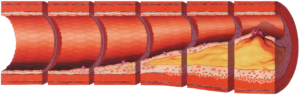
Most angina is caused by atherosclerosis, a build-up of fatty plaques in the coronary arteries. Risk factors include:
- High blood pressure
- High cholesterol
- Diabetes
- Smoking
- Being overweight and physically inactive
- Older age and family history of heart disease
- Chronic kidney disease
Less commonly, angina is caused by severe anaemia, heart valve disease or an overactive thyroid.
Symptoms
- Pain, pressure, tightness, squeezing or heaviness in the centre of the chest
- Pain that spreads to the arms (often the left), neck, jaw, back or upper abdomen
- Shortness of breath
- Sweating, nausea, tiredness or dizziness
Women, older people and people with diabetes may have less typical symptoms, such as breathlessness, indigestion-like discomfort or unusual tiredness.
Angina or heart attack?
Stable angina settles within a few minutes of rest or taking glyceryl trinitrate (GTN). A heart attack is usually more severe, lasts longer than 15 minutes, and does not go away with rest. If you are unsure, treat it as a heart attack and get emergency help.
Diagnosis
- ECG (electrocardiogram) to record the heart’s electrical activity
- Blood tests, including troponin to rule out a heart attack, and cholesterol and blood sugar
- Exercise stress test or stress echocardiogram
- CT coronary angiography to look for narrowed arteries
- Coronary angiography, in which dye is injected through a catheter to show blockages
Treatment
Medicines
- GTN spray or tablets under the tongue to relieve an attack quickly, or before activity that usually brings on pain
- Beta-blockers or calcium channel blockers to prevent attacks by reducing the heart’s workload
- Aspirin in low dose to reduce the risk of clots, if prescribed
- Statins to lower cholesterol and stabilise plaques
- Medicines to control blood pressure and diabetes
Procedures
- Angioplasty and stenting: a balloon opens a narrowed artery and a small mesh tube keeps it open.
- Coronary artery bypass surgery: blood vessels from elsewhere in the body are used to bypass blockages.
Lifestyle
- Stop smoking.
- Eat a heart-healthy diet with less salt and saturated fat. See Food as Medicine.
- Be regularly active within limits agreed with your doctor. Cardiac rehabilitation programmes help.
- Lose weight if needed, limit alcohol, and manage stress.
What to do during an angina attack
- Stop what you are doing and sit down to rest.
- Use your GTN spray or tablet as prescribed.
- If pain has not eased after 5 minutes, take a second dose.
- If pain has not eased 5 minutes after the second dose, or you feel very unwell, call for emergency help or go to hospital immediately.
When to see a doctor
See a doctor promptly if you get chest pain or tightness with exertion, even if it goes away with rest. Seek emergency care immediately for chest pain that lasts more than 15 minutes, occurs at rest, is severe, or comes with sweating, breathlessness, nausea or fainting.
Frequently asked questions
Can angina go away?
Angina can be well controlled with treatment, and procedures can relieve it, but the underlying heart disease needs lifelong care.
Can I exercise with angina?
Yes, regular activity is encouraged, but agree a safe plan with your doctor and carry your GTN.
Related guides

Sources
- NHS: Angina
- National Heart, Lung, and Blood Institute (NIH): Angina
- World Health Organization: Cardiovascular diseases fact sheet
