A stroke happens when the blood supply to part of the brain is cut off or a blood vessel in the brain bursts. Without oxygen, brain cells begin to die within minutes. Stroke is a medical emergency: the sooner a person receives treatment, the less damage is done. Recognising the signs and acting fast saves lives and reduces disability.
Key facts
- Stroke is a leading cause of death and disability worldwide.
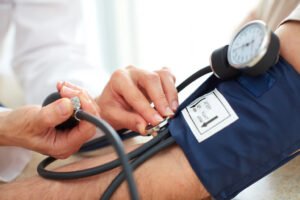
- High blood pressure is the biggest single risk factor.
- Use FAST to recognise a stroke: Face, Arms, Speech, Time.
- Clot-busting treatment works best within 4.5 hours of symptoms starting.
- Most strokes can be prevented by controlling risk factors.
Recognise a stroke: think FAST
- F – Face: has their face drooped on one side? Can they smile evenly?
- A – Arms: can they raise both arms and keep them there? Is one weak or numb?
- S – Speech: is their speech slurred or confused, or can they not speak?
- T – Time: get them to hospital immediately. Note the time symptoms started.
Other sudden signs include loss of vision in one or both eyes, severe headache unlike any before, loss of balance or coordination, confusion, and numbness on one side of the body.
Types of stroke
- Ischaemic stroke: a clot blocks an artery supplying the brain. This is the most common type.
- Haemorrhagic stroke: a blood vessel in or around the brain bursts. This is often linked to very high blood pressure and is relatively common in Africa.
- Transient ischaemic attack (TIA) or “mini-stroke”: symptoms that go away within 24 hours. A TIA is a warning sign of a possible major stroke and needs urgent assessment.
Risk factors
- High blood pressure
- Diabetes
- High cholesterol
- Smoking
- Heavy alcohol use
- Being overweight and physically inactive
- Atrial fibrillation, an irregular heart rhythm
- Sickle cell disease, which can cause stroke in children
- Older age and family history
What to do if someone is having a stroke
- Get them to a hospital with emergency and scanning facilities as quickly as possible.
- Note the time symptoms started or when they were last seen well.
- Do not give food, drink or medicines, including aspirin, because swallowing may be affected and aspirin is harmful in a bleeding stroke.
- Lie them on their side if they are drowsy or vomiting.
- Do not wait to see whether symptoms improve.
Diagnosis and emergency treatment
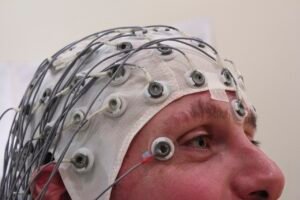
A CT or MRI brain scan shows whether the stroke is caused by a clot or bleeding, which determines treatment.
- Clot-busting medicine (thrombolysis) can dissolve a clot if given within 4.5 hours of symptoms starting, in suitable patients.
- Thrombectomy, removing the clot through a catheter, can help some patients with large clots, often up to 24 hours after onset in specialist centres.
- For bleeding strokes, treatment focuses on controlling blood pressure, reversing blood thinners and sometimes surgery.
- Stroke unit care with monitoring, swallowing checks and early rehabilitation improves outcomes.
Recovery and rehabilitation
Recovery is often fastest in the first weeks and months but can continue for years. Rehabilitation may include:
- Physiotherapy to improve movement, balance and strength
- Speech and language therapy for communication and swallowing
- Occupational therapy to relearn daily tasks
- Support for mood, as depression after stroke is common
Family members play a huge role. Encourage the person to do as much as they safely can for themselves.
Preventing a stroke
- Check your blood pressure regularly and take prescribed medicines every day.
- Control diabetes and cholesterol.
- Stop smoking and limit alcohol.
- Eat less salt and more fruit and vegetables.
- Be active for at least 150 minutes a week.
- If you have atrial fibrillation, take blood thinners as prescribed.
- After a stroke or TIA, take medicines to prevent another one exactly as prescribed.
When to see a doctor
Any sign of stroke is an emergency. Go to hospital immediately, even if symptoms improve. See a doctor soon for regular checks if you have high blood pressure, diabetes or other risk factors.
Frequently asked questions
Can young people have strokes?
Yes. Although risk rises with age, strokes can happen at any age, including in children with sickle cell disease.
Is a stroke the same as a heart attack?
No. A stroke affects blood flow to the brain. A heart attack affects blood flow to the heart muscle. Both are emergencies.