Epilepsy is a common brain condition that causes repeated seizures, sudden bursts of electrical activity in the brain that change how a person moves, feels or behaves for a short time. It affects people of all ages. Epilepsy is not contagious, not a curse and not caused by spiritual forces. With the right medicine, up to 70% of people with epilepsy can become seizure-free.
Key facts
- Around 50 million people worldwide live with epilepsy, most in low- and middle-income countries.
- You cannot catch epilepsy by touching someone having a seizure or their saliva.
- Never put anything in the mouth of someone having a seizure.
- A seizure lasting more than 5 minutes is an emergency.
- Affordable anti-seizure medicines control seizures for most people.
Seizure first aid: what to do
- Stay calm and stay with the person. Note the time the seizure started.
- Protect them from injury. Move hard or sharp objects away, and keep them away from fire, water and roads.
- Cushion their head with something soft, such as a folded cloth.
- Loosen tight clothing around the neck.
- When the jerking stops, roll them onto their side (recovery position) to keep the airway clear.
- Stay with them until they are fully awake, and speak calmly. Confusion and sleepiness afterwards are normal.
What not to do
- Do not put anything in their mouth, including spoons, fingers or water. People cannot swallow their tongue, and objects can break teeth or cause choking.
- Do not hold them down or try to stop their movements.
- Do not pour water on them, burn them, or put anything in their nose or eyes.
- Do not give food or drink until they are fully alert.
Call for emergency help or go to hospital if
- The seizure lasts more than 5 minutes
- Another seizure follows before they recover
- It is their first seizure
- They are injured, pregnant, have diabetes, or had the seizure in water
- They have difficulty breathing or do not wake up
In Nigeria, the national emergency number is 112.
Types of seizures
- Generalised tonic-clonic seizures: the person loses consciousness, stiffens and then jerks. They may bite their tongue or wet themselves.
- Absence seizures: brief staring spells lasting a few seconds, common in children and often mistaken for daydreaming.
- Focal seizures: start in one part of the brain. The person may have twitching of one limb, strange sensations, or appear confused and make repetitive movements.
Causes
In about half of people, no cause is found. Known causes include:
- Brain damage from difficult birth or lack of oxygen at birth
- Brain infections such as meningitis, cerebral malaria and neurocysticercosis (pork tapeworm)
- Head injury
- Stroke, especially in older adults
- Brain tumours
- Genetic conditions
Common seizure triggers
- Missing doses of medicine
- Lack of sleep
- Alcohol
- Stress
- Illness and fever
- Flashing lights, in a small number of people
Diagnosis
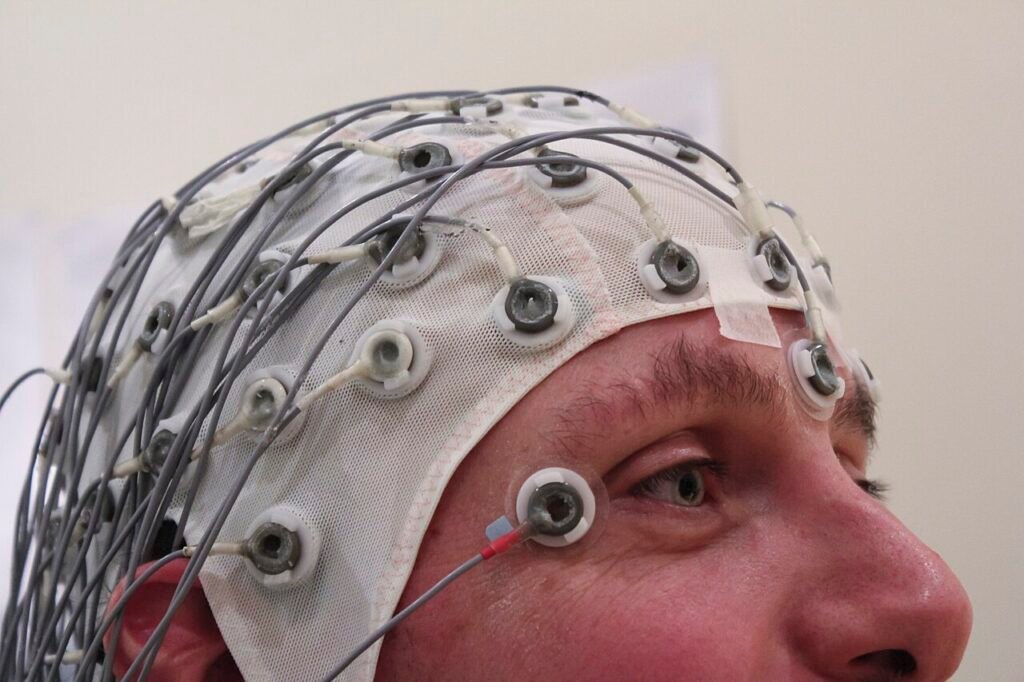
A doctor will ask for a detailed description of the seizures. A witness account or phone video is very helpful. Tests may include an EEG (recording brain waves), a brain scan (CT or MRI), and blood tests. Fever-related fits in young children (febrile seizures) are different from epilepsy and usually do not need long-term medicine.
Treatment
- Anti-seizure medicines such as carbamazepine, sodium valproate, levetiracetam, lamotrigine and phenobarbital. The doctor chooses based on seizure type, age, sex and other medicines.
- Take medicine every day at the same times. Do not stop suddenly, as this can trigger severe seizures.
- Some medicines, especially sodium valproate, can harm an unborn baby. Women who could become pregnant should discuss this with their doctor before pregnancy, and not stop medicine without advice.
- Surgery or special diets may help people whose seizures do not respond to medicines.
Living with epilepsy
- Sleep well, limit alcohol and keep a seizure diary.
- Avoid swimming alone, cooking over open fires unsupervised, and climbing heights until seizures are controlled.
- Follow the law and your doctor’s advice about driving.
- Children with epilepsy can and should go to school.
- Stigma is often harder than the seizures. Education helps families and communities support people with epilepsy.
Frequently asked questions
Is epilepsy contagious?
No. It cannot spread through saliva, touch or sharing food.
Can people with epilepsy marry and have children?
Yes. Most people with epilepsy have healthy relationships and children. Planning pregnancy with a doctor helps keep mother and baby safe.