
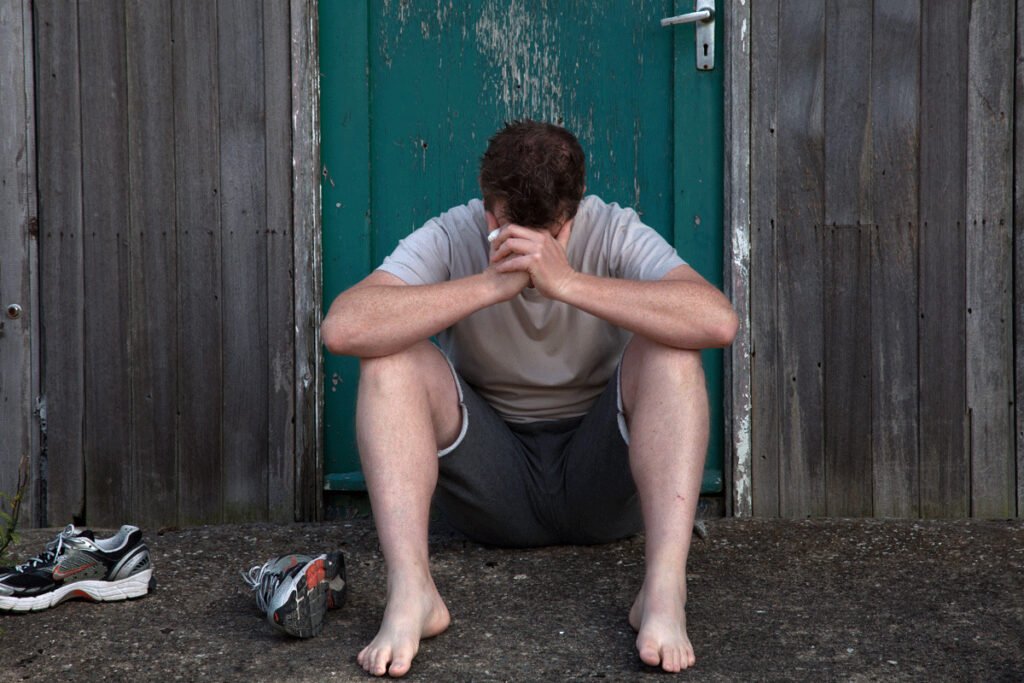
Depression is a common mental health condition that causes a persistent low mood and loss of interest in things you normally enjoy, lasting at least two weeks. It affects how you think, feel, sleep and function day to day. Depression is not a sign of weakness, a lack of faith, or something you can simply “snap out of”. It is a real illness, and it is treatable.
Key facts
- WHO estimates that about 280 million people worldwide live with depression.
- Depression is more common in women, but men are less likely to seek help.
- Talking therapies and medicines are effective, and many people recover fully.
- Depression is a major risk factor for suicide, which is preventable.
- If you are in danger now, go to the nearest hospital emergency department or call 112.
Symptoms
Emotional signs
- Feeling sad, empty or hopeless most of the day, nearly every day
- Losing interest or pleasure in activities
- Feeling worthless or excessively guilty
- Irritability, especially in men and teenagers
- Thoughts that life is not worth living, or thoughts of death or suicide
Physical signs
- Tiredness and lack of energy
- Sleeping too much or too little
- Changes in appetite or weight
- Aches, pains and headaches with no clear cause
- Moving or speaking more slowly, or feeling restless
- Difficulty concentrating or making decisions
In many communities, depression is expressed mainly through physical complaints such as tiredness, body pains or “heat in the head”, which can lead to it being missed.
Causes and risk factors
Depression usually results from a mix of factors:
- Stressful life events: bereavement, unemployment, financial hardship, relationship problems, violence or abuse
- Family history of depression
- Long-term illnesses such as diabetes, HIV, stroke, epilepsy and chronic pain
- Pregnancy and the period after childbirth (postnatal depression)
- Alcohol and drug use
- Loneliness and social isolation
- Some medicines and hormone conditions such as underactive thyroid
Diagnosis
A doctor, nurse or mental health professional will ask about your mood, sleep, appetite, energy and thoughts, often using a short questionnaire. They may do blood tests to rule out physical causes such as thyroid problems or anaemia. It helps to be honest, including about any thoughts of self-harm. Health workers ask because they want to keep you safe.
Treatment
Talking therapies
Psychological therapies such as cognitive behavioural therapy (CBT), interpersonal therapy and problem-solving therapy help people change unhelpful thinking patterns and cope with stress. They are effective for mild to moderate depression and can be delivered by trained counsellors and lay health workers, not only psychiatrists.
Medicines
Antidepressants, such as fluoxetine and sertraline, are effective for moderate to severe depression. They usually take 2 to 6 weeks to work and are continued for at least 6 months after feeling better. They are not addictive, but should not be stopped suddenly. Talk to your doctor about side effects.
Self-care that helps
- Stay connected with people you trust. Talking about how you feel helps.
- Keep a regular routine for sleep and meals.
- Be physically active. Even a daily walk improves mood.
- Avoid alcohol and drugs, which worsen depression.
- Break tasks into small steps and do one thing at a time.
Faith and community can be an important source of support. They work best alongside medical care, not instead of it. Avoid any practice that involves chaining, beating, starving or isolating a person.
Where to get help in Nigeria
- Your nearest primary health care centre or general hospital can assess you and refer you if needed.
- Federal Neuropsychiatric Hospitals and psychiatry departments of teaching hospitals across Nigeria provide specialist care.
- A trusted doctor, nurse, pharmacist or counsellor can help you take the first step.
- In an emergency, go to the nearest hospital emergency department or call 112.
If you are worried about someone
- Ask them how they are, and listen without judging.
- It is okay to ask directly whether they are thinking about suicide. Asking does not put the idea in their head.
- Encourage them to see a health worker, and offer to go with them.
- If they are in immediate danger, do not leave them alone. Remove means of harm, such as pesticides or medicines, and get emergency help.
When to get help
See a health worker if you have felt low, hopeless or uninterested in things for more than two weeks, or if it is affecting your work, studies or relationships. Get help immediately if you have thoughts of harming yourself or ending your life.
Frequently asked questions
Is depression the same as feeling sad?
No. Sadness is a normal emotion that passes. Depression lasts at least two weeks, affects most of the day, and interferes with daily life.
Can depression come back?
It can. Continuing treatment for the recommended time and recognising early warning signs reduce the risk.
Related guides

Sources
- World Health Organization: Depressive disorder (depression) fact sheet
- World Health Organization: Suicide fact sheet
- NHS: Depression in adults
