

Pre-eclampsia is a serious condition that develops during pregnancy, usually after 20 weeks. It causes high blood pressure and can affect the kidneys, liver, brain and placenta. Without treatment it can lead to eclampsia (fits), stroke, organ damage and the death of the mother or baby. It is one of the leading causes of maternal death in Nigeria, yet regular antenatal checks can detect it early.
Key facts
- Pre-eclampsia affects roughly 2 to 8 in every 100 pregnancies worldwide.
- It often causes no symptoms at first and is found through blood pressure and urine checks.
- Severe headache, vision changes and upper abdominal pain are danger signs.
- Low-dose aspirin from early pregnancy reduces the risk in women at high risk.
- Delivery of the baby and placenta is the only cure.
Who is at risk
Higher risk
- Pre-eclampsia in a previous pregnancy
- High blood pressure before pregnancy
- Kidney disease
- Diabetes
- Autoimmune conditions such as lupus
Moderate risk
- First pregnancy
- Age 40 or over
- More than 10 years since the last pregnancy
- Obesity
- Family history of pre-eclampsia
- Twins or more
Symptoms and warning signs
Early pre-eclampsia may have no symptoms. Warning signs include:
- Severe headache that does not go away with paracetamol
- Blurred vision, flashing lights or seeing spots
- Pain just below the ribs, especially on the right side
- Vomiting in the second half of pregnancy
- Sudden swelling of the face, hands or feet
- Feeling very unwell
- Shortness of breath
- Baby moving less
Some swelling of the feet is normal in pregnancy. Sudden swelling of the face and hands is more concerning.
Complications
For the mother
- Eclampsia: fits, which can be fatal
- Stroke
- HELLP syndrome: breakdown of red blood cells, liver damage and low platelets
- Kidney failure and fluid in the lungs
- Placental abruption, where the placenta separates early, causing bleeding
For the baby
- Poor growth in the womb
- Premature birth
- Stillbirth
Diagnosis
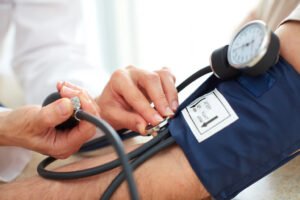
At every antenatal visit, a health worker should check your blood pressure and test your urine for protein. Pre-eclampsia is diagnosed when blood pressure is 140/90 mmHg or higher after 20 weeks, together with protein in the urine or signs that other organs are affected. Blood tests check kidney and liver function and platelets, and ultrasound scans monitor the baby’s growth.
Treatment
- Blood pressure medicines that are safe in pregnancy, such as nifedipine, labetalol or methyldopa
- Close monitoring of mother and baby, often in hospital
- Magnesium sulphate to prevent and treat fits in severe pre-eclampsia and eclampsia
- Steroid injections to help the baby’s lungs mature if early delivery is likely
- Delivery: the timing depends on how severe the condition is and how far along the pregnancy is. Pre-eclampsia can also occur or worsen in the days after birth.
Prevention
- Attend antenatal care early and regularly. WHO recommends at least eight contacts during pregnancy.
- Low-dose aspirin: women at high risk, or with more than one moderate risk factor, are usually advised to take low-dose aspirin daily from 12 weeks until birth. Only take it if a health worker advises it.
- Calcium supplements are recommended by WHO for pregnant women whose diets are low in calcium.
- Manage existing high blood pressure or diabetes before and during pregnancy.
After pregnancy
Women who have had pre-eclampsia have a higher risk of high blood pressure, heart disease and stroke later in life. Have your blood pressure checked regularly, and tell your health worker in any future pregnancy.
When to see a doctor
Go to hospital immediately if you are pregnant or have recently given birth and have a severe headache, vision problems, pain below the ribs, sudden swelling of the face or hands, difficulty breathing, fits, or reduced baby movements. Do not wait for your next appointment.
Frequently asked questions
Can pre-eclampsia happen after delivery?
Yes. Postpartum pre-eclampsia can develop up to six weeks after birth, most often in the first few days.
Will I get it again in my next pregnancy?
The risk is higher, but many women do not. Early antenatal care and aspirin, if advised, reduce the risk.
Related guides
Sources
- World Health Organization: Pre-eclampsia fact sheet
- NHS: Pre-eclampsia
- World Health Organization: Maternal mortality fact sheet
