Meningitis is inflammation of the membranes (meninges) that surround the brain and spinal cord, usually caused by an infection. Bacterial meningitis is a medical emergency that can kill within 24 hours or leave survivors with deafness, brain damage or limb loss. Northern Nigeria lies in the African “meningitis belt”, where large outbreaks occur in the hot, dry season.
Key facts
- Bacterial meningitis can be fatal within hours. Early treatment saves lives.
- Fever, headache and a stiff neck are classic signs, but babies may show different signs.
- The meningitis belt stretches across Africa from Senegal to Ethiopia, including northern Nigeria.
- Outbreaks peak during the dry season, from about December to June.
- Vaccines protect against the main bacterial causes.
Causes
- Bacteria: the most dangerous. The main causes are Neisseria meningitidis (meningococcus), Streptococcus pneumoniae (pneumococcus), Haemophilus influenzae type b (Hib), and group B streptococcus in newborns. Tuberculosis can also cause meningitis.
- Viruses: more common and usually milder.
- Fungi and parasites: mainly in people with weakened immune systems, such as advanced HIV.
Meningococcal bacteria spread through close contact, such as coughing, sneezing, kissing and sharing living spaces. Crowded conditions, dust and dry air during harmattan increase the spread.
Symptoms
- High fever
- Severe headache
- Stiff neck
- Dislike of bright lights
- Vomiting
- Confusion or drowsiness
- Seizures
- A rash that does not fade when pressed with a glass, in meningococcal infection. On darker skin, look on paler areas such as the palms, soles, inside the eyelids and roof of the mouth.
- Cold hands and feet, and aching limbs
In babies
- Fever or low temperature
- Refusing feeds, vomiting
- A bulging soft spot on the head
- Unusual high-pitched crying, irritability, or floppiness
- Drowsiness and difficulty waking
Symptoms can appear in any order, and not all may be present.
Diagnosis and treatment
Doctors confirm meningitis with a lumbar puncture, in which a small sample of spinal fluid is taken from the lower back and tested, along with blood tests. Treatment should never be delayed for tests.
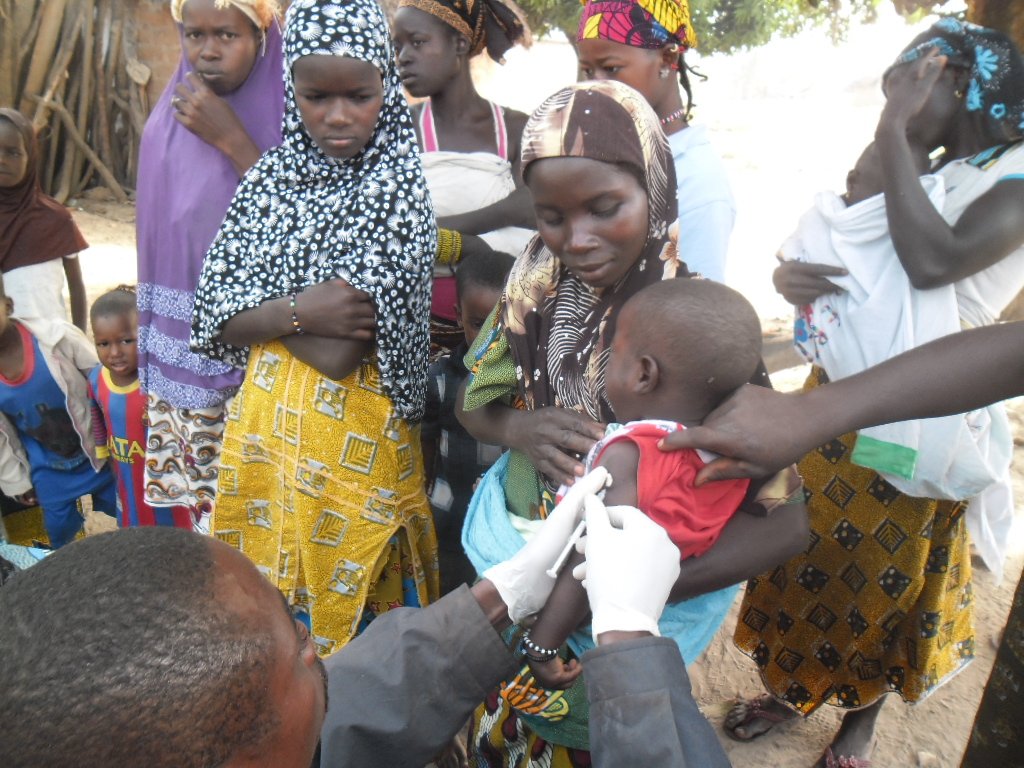
- Antibiotics given through a drip as soon as bacterial meningitis is suspected. During outbreaks in the meningitis belt, health workers may give a single injection of ceftriaxone.
- Supportive care, including fluids, oxygen, seizure control and sometimes steroids
- Preventive antibiotics for close contacts of someone with meningococcal meningitis
Complications
- Hearing loss
- Seizures and epilepsy (see our epilepsy guide)
- Learning and memory problems
- Loss of limbs from severe blood infection (septicaemia)
Survivors should have a hearing test and follow-up care.
Vaccination
- Hib and pneumococcal vaccines are part of Nigeria’s routine infant schedule at 6, 10 and 14 weeks.
- Meningitis A vaccine (MenAfriVac) has dramatically reduced meningitis A epidemics across the belt and is given in states at risk.
- Multivalent meningococcal conjugate vaccines, including the newer Men5CV which protects against five strains, are used in outbreak response and are being introduced in the region.
- Pilgrims to Hajj and Umrah must have a quadrivalent (ACWY) meningococcal vaccine.
See our immunisation schedule guide.
Prevention during outbreaks
- Get vaccinated during campaigns.
- Avoid overcrowded, poorly ventilated rooms where possible.
- Cover coughs and sneezes and wash hands often.
- Seek care quickly for anyone with fever and headache or stiff neck.
When to see a doctor
Meningitis is an emergency. Go to the nearest hospital immediately or call 112 if someone has fever with a severe headache, stiff neck, rash, confusion, drowsiness or seizures, or if a baby is feverish, floppy, not feeding or has a bulging soft spot. Do not wait for a rash to appear.
Frequently asked questions
Is meningitis contagious?
Bacterial meningitis can spread through close contact. Close contacts may need preventive antibiotics, so tell health workers who lives with the patient.
Can adults get meningitis?
Yes. It is most common in children and young adults in the meningitis belt, but anyone can be affected.