

A heart attack happens when the blood supply to part of the heart muscle is suddenly blocked, usually by a blood clot in a coronary artery. Without oxygen, heart muscle starts to die. A heart attack is a medical emergency: the faster the artery is opened, the more heart muscle can be saved. Heart disease is rising in Nigeria, driven by high blood pressure, diabetes and changing lifestyles.
Key facts
- Chest pain or pressure is the most common symptom, but not everyone has it.
- Women, older people and people with diabetes often have less typical symptoms.
- Getting to a hospital quickly is the most important thing you can do.
- High blood pressure, diabetes, high cholesterol and smoking are the main risk factors.
- Most heart attacks can be prevented by controlling these risks.
What causes a heart attack
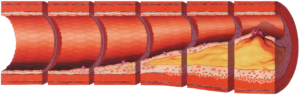
Over many years, fatty deposits (plaques) build up inside the arteries that supply the heart. This is called coronary heart disease. If a plaque cracks, a blood clot forms on it and can block the artery completely. See our guides to high cholesterol and angina, which is often an earlier warning sign.
Warning signs
- Chest pain, pressure, tightness or heaviness, often in the centre of the chest, lasting more than a few minutes
- Pain spreading to the arms (usually the left), neck, jaw, back or stomach
- Shortness of breath
- Sweating, often cold sweat
- Feeling sick or vomiting
- Light-headedness or feeling faint
- An overwhelming feeling of anxiety or that something is badly wrong
Less typical symptoms
Women, older adults and people with diabetes may have mild chest discomfort or none at all. They may notice breathlessness, unusual tiredness, indigestion-like pain or nausea instead. Do not dismiss these symptoms, especially if they come on suddenly.
What to do
- Get to a hospital with emergency care immediately. Call 112 or have someone drive you. Do not drive yourself.
- Stop and rest while waiting. Sit in a comfortable position.
- Chew one adult aspirin (300 mg) if you are not allergic to it and have not been told to avoid it, unless a health worker advises otherwise. Chewing works faster than swallowing it whole.
- If you have been prescribed GTN spray for angina, use it as directed.
- If the person collapses and is not breathing normally, start CPR: push hard and fast in the centre of the chest, about 100 to 120 times a minute, and continue until help arrives.
Do not wait to see if the pain goes away, and do not try home remedies first.
Treatment in hospital
- ECG and blood tests (troponin) to confirm the heart attack
- Opening the artery with a clot-busting medicine or, where available, an emergency angioplasty and stent
- Medicines such as aspirin and another antiplatelet drug, a statin, a beta-blocker and an ACE inhibitor
- Coronary bypass surgery for some people
- Cardiac rehabilitation: supervised exercise, education and support to recover and prevent another heart attack
Risk factors
- High blood pressure
- Diabetes
- High cholesterol
- Smoking
- Obesity and lack of physical activity
- Unhealthy diet high in salt, sugar and fried foods
- Heavy alcohol use
- Family history of early heart disease
- Older age, and being male, though women’s risk rises after menopause
Prevention
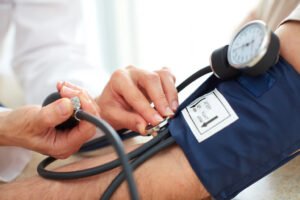
- Check your blood pressure, blood sugar and cholesterol regularly, and take prescribed medicines every day.
- Stop smoking.
- Be active for at least 150 minutes a week.
- Eat more vegetables, fruit, beans and whole grains, and less salt and fried food. See Food as Medicine.
- Keep a healthy weight and limit alcohol.
When to see a doctor
Chest pain lasting more than a few minutes, or chest pain with sweating, breathlessness or nausea, is an emergency. Go to hospital immediately. If you have chest discomfort that comes on with exertion and settles with rest, see a doctor soon, as this may be angina.
Frequently asked questions
Is a heart attack the same as cardiac arrest?
No. A heart attack is a blockage of blood flow to the heart muscle. Cardiac arrest is when the heart suddenly stops pumping. A heart attack can cause cardiac arrest.
Can young people have heart attacks?
Yes, though it is less common. Smoking, diabetes, very high cholesterol and drug use such as cocaine increase the risk.
Related guides
Sources
- NHS: Heart attack
- National Heart, Lung, and Blood Institute (NIH): Heart attack
- World Health Organization: Cardiovascular diseases fact sheet
