
Acid reflux happens when stomach acid flows back up into the food pipe (oesophagus), causing a burning feeling in the chest called heartburn. Occasional reflux is very common. When it happens often, at least twice a week, it is called gastro-oesophageal reflux disease (GERD or GORD). In Nigeria, reflux symptoms are often called “ulcer”, but they are not the same condition, and the treatment is different.
Key facts
- Heartburn and a sour taste in the mouth are the most common symptoms.
- Large meals, lying down after eating, alcohol and smoking are common triggers.
- Simple lifestyle changes help many people.
- Medicines that reduce stomach acid work well for frequent symptoms.
- Chest pain can also be a sign of a heart problem, so do not assume it is reflux.
What causes acid reflux
A ring of muscle at the bottom of the food pipe normally stops acid from coming back up. Reflux happens when this muscle relaxes at the wrong time or is weak. Things that make this more likely include:
- Large or fatty meals, and eating late at night
- Being overweight
- Pregnancy
- Smoking and alcohol
- Spicy foods, citrus, tomatoes, chocolate, coffee and fizzy drinks in some people
- A hiatus hernia, where part of the stomach pushes up into the chest
- Some medicines, including anti-inflammatory painkillers such as ibuprofen and diclofenac
- Stress
Symptoms
- Heartburn: a burning feeling in the middle of the chest, often after eating or at night
- Sour or bitter taste in the mouth from acid coming up
- Bloating, burping and feeling sick
- A cough or hoarse voice, especially in the morning
- A feeling of something stuck in the throat
- Bad breath
Reflux or ulcer?
Reflux causes burning behind the breastbone and acid in the mouth. A peptic ulcer usually causes gnawing pain in the upper abdomen. Both can cause indigestion, and they can occur together. H. pylori infection is an important cause of ulcers but not the main cause of reflux. A health worker can help tell them apart.
Self-help
- Eat smaller, more frequent meals.
- Avoid eating within 3 hours of going to bed.
- Raise the head of your bed by 10 to 20 cm, using blocks under the legs, rather than extra pillows.
- Lose weight if you are overweight.
- Stop smoking and cut down on alcohol.
- Notice and avoid foods and drinks that trigger your symptoms.
- Wear loose clothing around the waist.
Treatment
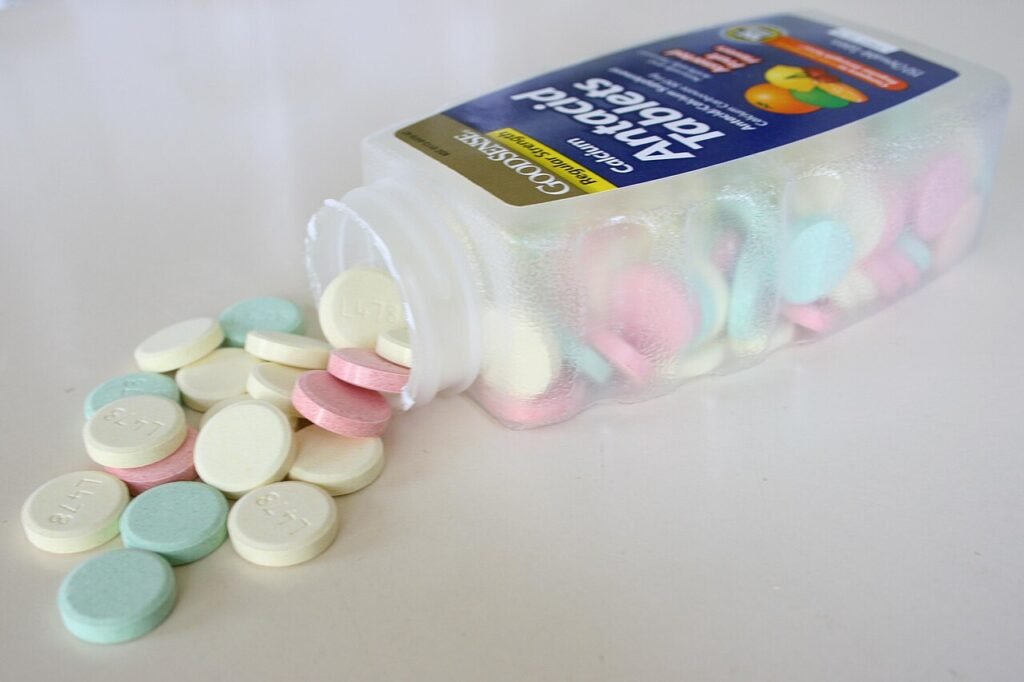
- Antacids and alginates from a pharmacy relieve symptoms quickly for occasional heartburn.
- Proton pump inhibitors (PPIs) such as omeprazole or esomeprazole reduce acid production. They are usually taken for 4 to 8 weeks, then reviewed.
- H2 blockers such as famotidine are another option.
- Surgery is occasionally recommended when medicines do not help.
If you need antacids most days for more than a few weeks, see a doctor rather than continuing to self-treat.
Complications
Long-term untreated reflux can inflame and narrow the food pipe, causing difficulty swallowing, and occasionally leads to changes in the lining (Barrett’s oesophagus) that slightly increase the risk of cancer.
Reflux in pregnancy and in babies
Heartburn is very common in pregnancy because of hormones and pressure from the growing baby. Speak to your antenatal clinic before taking medicines. Many babies bring up milk after feeds, which usually improves by 12 months. See a health worker if a baby is not gaining weight, vomits forcefully, or seems in pain during feeds.
When to see a doctor
See a doctor if you have heartburn most days for more than three weeks, or symptoms that do not improve with pharmacy medicines. See a doctor promptly for difficulty or pain when swallowing, unexplained weight loss, persistent vomiting, or if you are over 55 with new symptoms. Seek emergency care for chest pain that spreads to the arm, neck or jaw, or comes with sweating or breathlessness, as this may be a heart attack. Also seek emergency care if you vomit blood or pass black stools.
Frequently asked questions
Does milk cure heartburn?
Milk may soothe for a moment, but it can increase acid production afterwards. Antacids or alginates are more effective.
Is it safe to take PPIs long term?
PPIs are safe for most people, but long-term use should be reviewed by a doctor, who will use the lowest effective dose.
Related guides


Sources
- NHS: Heartburn and acid reflux
- National Institute of Diabetes and Digestive and Kidney Diseases (NIH): Acid reflux (GER and GERD) in adults
