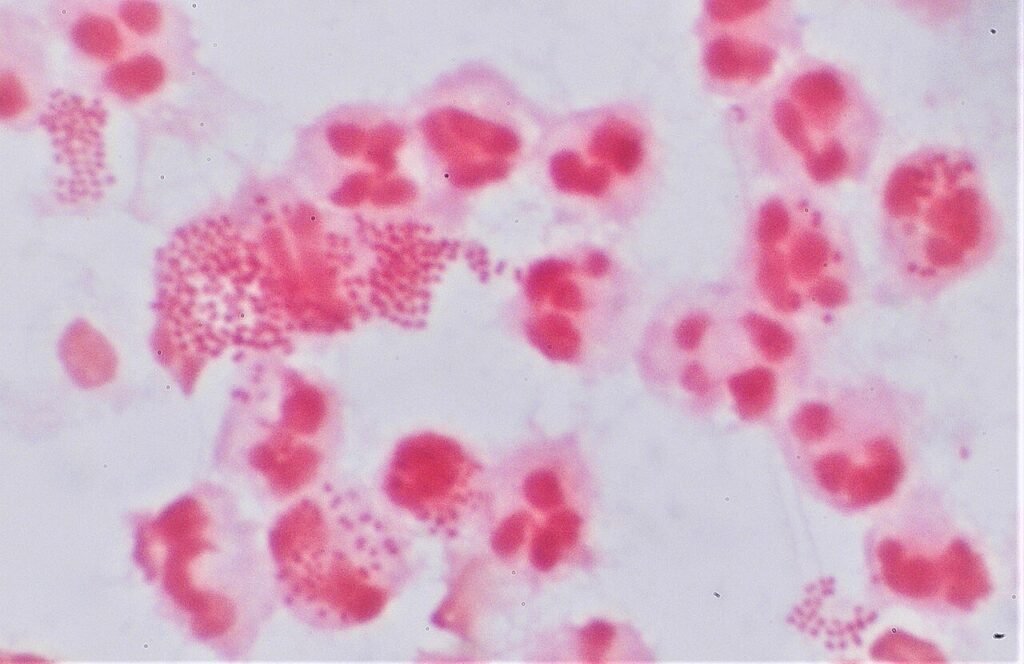
Gonorrhoea and chlamydia are two of the most common sexually transmitted infections (STIs). Both are caused by bacteria and spread through vaginal, anal or oral sex without a condom. Many people have no symptoms, so they can pass the infection on without knowing. Left untreated, both can cause pelvic inflammatory disease, long-term pelvic pain, ectopic pregnancy and infertility in women, and fertility problems in men. Both are easily treated with the right antibiotics.
Key facts
- Many women and some men have no symptoms at all.
- Untreated infections are a major preventable cause of infertility in Nigeria.
- Testing uses a urine sample or a swab, and is quick and confidential.
- Sexual partners must be treated at the same time to prevent reinfection.
- Gonorrhoea is becoming resistant to many antibiotics, so self-treatment is risky.
Symptoms
In women
- Unusual vaginal discharge
- Pain or burning when passing urine
- Bleeding between periods or after sex
- Pain in the lower tummy or during sex
In men
- White, yellow or green discharge from the penis
- Pain or burning when passing urine
- Pain or swelling in the testicles
Other sites
Infection in the rectum can cause discomfort or discharge; in the throat it usually causes no symptoms. In the eyes it causes conjunctivitis. Babies born to infected mothers can develop serious eye infections.
Complications
- Pelvic inflammatory disease (PID): infection of the womb, fallopian tubes and ovaries, causing pain and fever
- Blocked fallopian tubes, leading to infertility and ectopic pregnancy
- Epididymitis in men: painful swelling of the tubes behind the testicles
- Increased risk of catching or passing on HIV
- Eye infections and pneumonia in newborns
- Rarely, gonorrhoea spreads to the blood and joints
Testing
- A urine sample, or a swab from the vagina, cervix, urethra, throat or rectum
- Test if you have symptoms, a new partner, more than one partner, or your partner has an STI
- Get tested for HIV, syphilis and hepatitis B at the same time
- Pregnant women are offered STI screening at antenatal clinics
Treatment
- Chlamydia is usually treated with doxycycline tablets for 7 days, or azithromycin in pregnancy.
- Gonorrhoea is usually treated with a ceftriaxone injection, following national guidelines because of resistance.
- Take the full treatment and avoid sex until you and your partners have finished treatment, and for 7 days after single-dose treatment.
- Your recent partners should be tested and treated, even if they have no symptoms.
- A repeat test may be advised, especially in pregnancy or if symptoms continue.
Buying antibiotics from a chemist without a test often leads to the wrong drug or dose, leaving infection behind and fuelling resistance.
Prevention
- Use condoms correctly every time you have sex.
- Reduce your number of sexual partners.
- Get tested regularly if you are sexually active with new partners.
- Talk openly with partners about testing.
When to see a doctor
See a health worker or sexual health clinic if you have discharge, pain passing urine, bleeding after sex, or if a partner has an STI. Seek urgent care for severe pain in the lower tummy with fever, sudden severe testicular pain, or pain and bleeding in early pregnancy, which could be an ectopic pregnancy.
Frequently asked questions
Can I get gonorrhoea or chlamydia again?
Yes. Treatment does not give immunity, so you can be reinfected if a partner is not treated.
Is burning when urinating always an STI?
No. A urinary tract infection is a common cause. Testing tells them apart.