
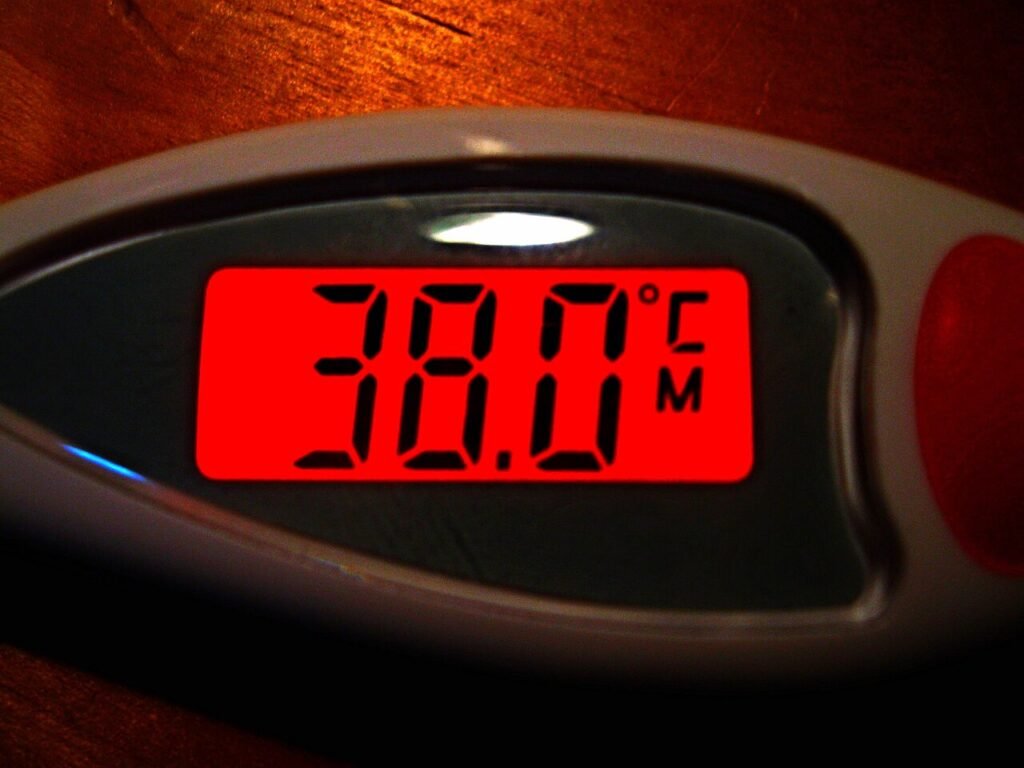
Many people notice that their temperature rises in the evening or at night and feels better in the morning. This pattern is common because body temperature naturally rises a little in the late afternoon and evening, so a fever caused by illness is often more noticeable then. An evening fever is a symptom, not a diagnosis. The key is to find the cause, especially if it keeps coming back for more than a few days.
Key facts
- A fever is a temperature of 38°C or higher.
- Body temperature is naturally highest in the late afternoon and evening.
- In Nigeria, malaria should always be tested for first.
- A fever lasting more than a week, with night sweats or weight loss, needs investigation for causes such as TB.
- Repeatedly taking antimalarials or antibiotics without testing can hide the real cause.
How to check for a fever
Feeling hot is not reliable. Use a digital thermometer under the tongue or armpit. Write down your temperature morning and evening for a few days. This record helps a health worker find the cause.
Common causes of evening fever
Infections
- Malaria: fever with chills and sweating, headache and body aches. The most important cause to rule out in Nigeria.
- Typhoid: a fever that climbs gradually over several days, with abdominal pain and weakness.
- Tuberculosis: a classic cause of evening fever with night sweats, cough for two weeks or more, and weight loss.
- Urinary tract infection: fever with pain passing urine, needing to urinate often, or back pain.
- Chest infections and pneumonia: fever with cough and breathlessness.
- HIV: repeated fevers, weight loss and swollen glands can be signs. Testing is quick and confidential.
- Dental abscess, sinus or ear infections
- Viral infections such as flu or dengue
Other causes
- Inflammatory conditions such as rheumatoid arthritis or lupus
- Some cancers, especially lymphoma, which can cause fever, night sweats and weight loss. See our lymphatic system guide.
- Reactions to medicines
- An overactive thyroid
Why testing matters
Many people treat every fever as “malaria and typhoid” with medicines from a chemist. If the real cause is TB, a urinary infection, HIV or something else, it continues untreated while money is spent on the wrong medicines. See our guide to typhoid vs malaria.
Tests a health worker may order include:
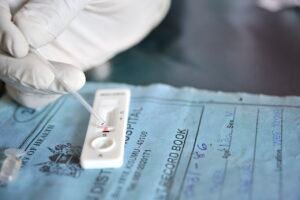
- Malaria rapid test or blood film
- Full blood count
- Urine test
- Blood culture for typhoid and other bacterial infections
- Sputum test and chest X-ray for TB
- HIV test
- Further tests if these are normal
Looking after yourself
- Drink plenty of fluids.
- Rest.
- Take paracetamol to ease discomfort, following the dose on the pack.
- Wear light clothing and keep the room cool.
- Do not take leftover antibiotics or repeat courses of antimalarials without a test.
When to see a doctor
See a health worker if:
- You have a fever, so that malaria can be tested for the same day
- The fever lasts more than 3 days, or keeps coming back
- You have night sweats, weight loss, or a cough for two weeks or more
- You have pain passing urine or back pain with fever
Seek emergency care for a fever with confusion, severe headache and stiff neck, a rash that does not fade when pressed, difficulty breathing, fits, very little urine, or extreme weakness. A baby under three months with a temperature of 38°C or higher needs urgent assessment.
Frequently asked questions
Is evening fever always serious?
No. Many are caused by short viral infections. But a fever that keeps returning for more than a week always deserves a proper check.
Can stress cause fever?
Stress can make you feel hot and tired, but a measured temperature of 38°C or more usually has a physical cause and should be investigated.
Related guides


Sources
- NHS: High temperature (fever) in adults
- NHS: High temperature (fever) in children
- World Health Organization: Malaria fact sheet
- World Health Organization: Tuberculosis fact sheet
