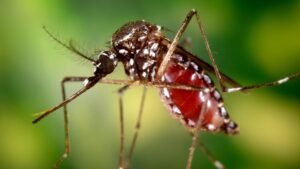

West Nile fever is an infection caused by West Nile virus, which is spread to people through the bite of infected Culex mosquitoes. The virus was first identified in Uganda in 1937 and is now found in Africa, Europe, the Middle East, North America and West Asia. Most people who are infected never feel ill, but a small number develop a serious infection of the brain and nervous system.
Key facts
- About 8 in 10 infected people have no symptoms.
- About 1 in 5 develop West Nile fever, a flu-like illness.
- Fewer than 1 in 100 develop severe neurological disease, such as encephalitis or meningitis.
- There is no specific antiviral treatment and no human vaccine.
- Preventing mosquito bites is the main protection.
How it spreads
Birds are the natural hosts of West Nile virus. Mosquitoes become infected when they feed on infected birds, then pass the virus to people and animals such as horses when they bite. People and horses are “dead-end” hosts, which means they do not usually pass the virus back to mosquitoes.
West Nile virus does not spread through casual contact between people. Very rarely it has been passed on through blood transfusion, organ transplant, breastfeeding or from mother to baby in pregnancy.
Symptoms
Symptoms usually appear 3 to 14 days after the mosquito bite.
West Nile fever (mild illness)
- Fever
- Headache and body aches
- Tiredness
- Nausea or vomiting
- Sometimes a skin rash on the chest, stomach or back, and swollen lymph glands
Most people recover fully, although tiredness can last for weeks.
Severe (neuroinvasive) disease
- High fever and severe headache
- Stiff neck
- Confusion or disorientation
- Muscle weakness, tremors or paralysis
- Seizures or coma
Severe disease is more likely in people over 50, people with weakened immune systems, and people with conditions such as diabetes, high blood pressure or kidney disease. Some survivors have lasting weakness, memory problems or tiredness.
Diagnosis
West Nile fever looks like many other febrile illnesses, including malaria. A doctor may suspect it based on symptoms, season and mosquito exposure. It is confirmed by blood or spinal fluid tests that detect antibodies to the virus or the virus itself. In severe cases, a lumbar puncture and brain scan may be needed.
Treatment
There is no medicine that kills the virus. Treatment focuses on relieving symptoms and supporting the body:
- Rest and plenty of fluids for mild illness
- Paracetamol to reduce fever and pain
- Hospital care for severe disease, including fluids through a drip, help with breathing if needed, and nursing care to prevent complications
Prevention
There is no vaccine for people, although vaccines exist for horses. Protect yourself by preventing mosquito bites:
- Use insect repellent on exposed skin.
- Wear long sleeves and trousers, especially at dusk and dawn when Culex mosquitoes are most active.
- Sleep under a mosquito net and use window screens.
- Remove standing water around the home, such as in old tyres, buckets, blocked gutters and flower pots.
- Avoid handling dead birds with bare hands, and report unusual bird deaths to local authorities.
When to see a doctor
See a doctor if you develop a fever with headache and body aches, especially if malaria has been ruled out. Seek emergency care immediately for a severe headache with a stiff neck, confusion, weakness in the arms or legs, or seizures.
Frequently asked questions
Is West Nile fever found in Nigeria?
The virus circulates in many parts of Africa, and studies have found evidence of past infection in Nigeria. Because it is rarely tested for, many cases are probably not diagnosed.
Can I get it from another person?
Not through normal contact. It is spread by mosquitoes.
Does having it once protect me?
Infection is thought to give long-lasting immunity, but prevention of bites is still important because mosquitoes spread other diseases.