

Cholera is an acute diarrhoeal infection caused by eating food or drinking water contaminated with the bacterium Vibrio cholerae. It can cause severe watery diarrhoea and dehydration that kill within hours if untreated. Yet cholera is easy to treat: most people recover with prompt oral rehydration solution (ORS). Nigeria experiences outbreaks, particularly during the rainy season and where clean water and sanitation are limited.
Key facts
- Symptoms can start from 12 hours to 5 days after swallowing the bacteria.
- Most infected people have mild or no symptoms but can still spread the bacteria.
- Severe cholera causes large amounts of “rice-water” diarrhoea and rapid dehydration.
- Oral rehydration solution successfully treats most patients.
- Safe water, sanitation and handwashing prevent cholera. Oral vaccines are used in outbreaks.
How cholera spreads
- Drinking water contaminated with sewage, including from wells, rivers and poorly stored water
- Eating food washed or prepared with contaminated water, or handled by someone with unwashed hands
- Eating raw or undercooked seafood from contaminated water
- Poor sanitation, open defecation and flooding, which spread faeces into water sources
Symptoms
- Sudden, profuse, painless watery diarrhoea, often pale and cloudy like water in which rice has been washed
- Vomiting
- Leg cramps
Signs of dehydration
- Intense thirst and dry mouth
- Sunken eyes
- Passing little or no urine
- Skin that goes back slowly when pinched
- Weakness, restlessness or drowsiness
- Fast, weak pulse and low blood pressure in severe cases
Treatment
Start oral rehydration immediately
If someone has watery diarrhoea during a cholera outbreak, start giving ORS straight away and take them to a health facility or cholera treatment centre.
- ORS sachets are available cheaply at pharmacies and free in outbreaks. Mix one sachet with the amount of clean water stated on the pack, usually 1 litre.
- Give small, frequent sips. If the person vomits, wait 10 minutes and continue more slowly.
- Keep going as long as diarrhoea continues.
If ORS sachets are not available
As a temporary measure, mix 6 level teaspoons of sugar and half a level teaspoon of salt in 1 litre of clean, boiled and cooled water. Measure carefully, as too much salt can be harmful. Get proper ORS and medical care as soon as possible.
In a health facility
- Severe dehydration is treated with intravenous fluids, usually Ringer’s lactate.
- Antibiotics such as doxycycline are given to people with severe cholera to shorten illness.
- Children receive zinc supplements, which shorten diarrhoea.
- Continue breastfeeding and feeding during and after the illness.
Prevention
Safe water
- Drink and use water that is boiled, chlorinated or from a safe, sealed source.
- Store water in clean, covered containers and use a clean cup or tap to draw it out.
Hygiene and food
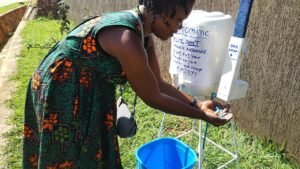
- Wash hands with soap and water after using the toilet, cleaning a child, and before preparing or eating food.
- Eat food that is freshly cooked and still hot. Peel fruit yourself.
- Avoid raw or undercooked seafood and street food of uncertain safety during outbreaks.
Sanitation
- Use toilets or latrines, and keep them clean.
- Dispose of children’s faeces safely.
- Clean and disinfect areas contaminated with vomit or diarrhoea using chlorine solution.
Vaccination
Oral cholera vaccines are used in outbreaks and high-risk areas, often in mass campaigns. They complement, but do not replace, clean water and sanitation.
When to see a doctor
Go to a health facility or cholera treatment centre immediately for sudden watery diarrhoea, especially during an outbreak, while giving ORS on the way. Seek emergency care for signs of dehydration: very little urine, sunken eyes, extreme thirst, drowsiness or inability to drink. Babies, young children and older adults can become dangerously dehydrated very quickly.
Frequently asked questions
Can I get cholera more than once?
Yes. Infection gives some short-term protection, but reinfection is possible.
Should I stop eating during diarrhoea?
No. Keep eating light meals and keep breastfeeding babies. Food helps recovery.
Related guides


Sources
- World Health Organization: Cholera fact sheet
- NHS: Cholera
- World Health Organization: Drinking-water fact sheet
