Cancer is a group of more than 100 diseases in which abnormal cells grow out of control and can spread to other parts of the body. It is a leading cause of death worldwide, but many cancers can be prevented, and many can be cured when found early. Knowing the warning signs and taking part in screening save lives.
Key facts
- WHO estimates that 30% to 50% of cancers could be prevented by avoiding risk factors and using proven prevention.
- In Nigeria, breast, cervical, prostate, liver and colorectal cancers are among the most common.
- Cervical cancer can be prevented with HPV vaccination and screening.
- Early diagnosis greatly improves the chance of cure.
- Treatment may include surgery, chemotherapy, radiotherapy and other medicines.
How cancer develops
Every cell contains genes that control when it grows, divides and dies. When these genes are damaged, a cell can start dividing uncontrollably and form a lump called a tumour. Malignant (cancerous) tumours can invade nearby tissue and spread through the blood or lymphatic system to other organs. This spread is called metastasis. Blood cancers such as leukaemia do not usually form solid tumours.
Common types of cancer
- Breast cancer, the most common cancer in Nigerian women, often diagnosed late
- Cervical cancer, caused by long-term infection with high-risk HPV
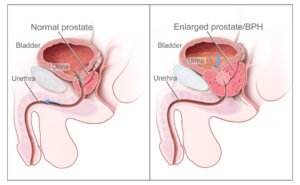
- Prostate cancer, the most common cancer in Nigerian men
- Liver cancer, strongly linked to hepatitis B and cirrhosis
- Colorectal (bowel) cancer, increasing in younger adults
- Lymphomas and leukaemias, cancers of the blood and immune system
Risk factors
- Tobacco use in any form
- Alcohol
- Unhealthy diet, physical inactivity and obesity
- Infections such as hepatitis B and C, HPV, HIV and H. pylori
- Exposure to chemicals, air pollution and aflatoxins from mouldy grains and groundnuts
- Older age
- Family history and inherited gene changes, such as BRCA1 and BRCA2
Warning signs
These symptoms are usually caused by something less serious, but they should be checked by a doctor, especially if they last more than a few weeks:
- A lump or swelling anywhere, including in the breast, armpit, neck or testicle
- Unexplained weight loss or tiredness
- Unusual bleeding: blood in urine or stool, bleeding after sex or between periods, bleeding after menopause, or coughing up blood
- A cough or hoarseness lasting more than three weeks
- Difficulty swallowing or persistent indigestion
- A change in bowel or bladder habits
- A sore or ulcer that does not heal
- A new mole, or a mole that changes shape, size or colour
- Persistent pain with no clear cause
Screening
Screening looks for cancer or pre-cancer before symptoms appear:
- Cervical screening: HPV testing or visual inspection with acetic acid (VIA) for women from about age 30, repeated at intervals.
- Breast awareness and clinical breast examination: know how your breasts normally look and feel, and report changes. Mammography is offered from middle age where available.
- Colorectal screening: stool tests or colonoscopy from middle age.
- Prostate checks: men, especially those with a family history, can discuss the benefits and limits of PSA testing with a doctor.
- Liver cancer surveillance: regular ultrasound for people with cirrhosis or long-term hepatitis B.
Diagnosis
Doctors use examination, blood tests, imaging such as ultrasound, CT or MRI, and a biopsy, in which a small piece of tissue is examined under a microscope. A biopsy is usually the only way to confirm cancer. Tests then show the stage, meaning how large the cancer is and whether it has spread, which guides treatment.
Treatment
- Surgery to remove the tumour and nearby lymph nodes
- Chemotherapy, medicines that kill fast-growing cells
- Radiotherapy, high-energy rays aimed at the cancer
- Hormone therapy for cancers driven by hormones, such as some breast and prostate cancers
- Targeted therapy and immunotherapy, which act on specific features of cancer cells or help the immune system attack them
- Palliative care, which relieves pain and other symptoms and supports quality of life at any stage
Treatment is planned by a team of specialists. Ask about the aim of treatment, its side effects and costs. Avoid replacing treatment with unproven herbal cures, which can allow a curable cancer to become incurable.
Prevention
- Do not use tobacco, and limit alcohol.
- Keep a healthy weight, stay active and eat plenty of fruit, vegetables and fibre. See Food as Medicine.
- Get vaccinated against hepatitis B, and have girls vaccinated against HPV. Nigeria introduced HPV vaccination for girls in 2023.
- Store grains and groundnuts in dry conditions and discard mouldy food.
- Take part in screening when invited.
When to see a doctor
See a doctor about any of the warning signs above that last more than two to three weeks, or sooner if they are getting worse. Early investigation does not mean you have cancer, but if you do, it gives you the best chance of successful treatment.
Frequently asked questions
Is cancer contagious?
No. You cannot catch cancer from another person, although some infections that raise cancer risk, such as HPV and hepatitis B, can be passed on.
Does a biopsy make cancer spread?
No. This is a common myth. A biopsy is a safe and essential step in diagnosis.