Athlete’s foot (tinea pedis) is a common fungal infection of the skin on the feet, especially between the toes. It thrives in warm, damp conditions, such as inside closed shoes and socks in hot weather. Despite its name, anyone can get it. It is not serious and usually clears with antifungal treatment from a pharmacy, but it can come back if feet are not kept clean and dry.
Key facts
- Athlete’s foot is caused by fungi called dermatophytes.
- It spreads through contact with infected skin, floors, towels and shoes.
- Itching, cracking and peeling between the toes are typical signs.
- Antifungal creams, sprays and powders usually clear it in 1 to 4 weeks.
- Keeping feet dry is the most important step in prevention.
Causes and risk factors
- Sweaty feet and wearing closed, tight or non-breathable shoes for long periods
- Walking barefoot in shared showers, changing rooms and swimming areas
- Sharing towels, socks or shoes
- Hot, humid weather
- Diabetes or a weakened immune system
- Minor skin or nail injuries
Symptoms
- Itchy, white, soggy skin between the toes, especially the fourth and fifth toes
- Cracked, peeling or flaky skin
- Redness, which may look darker or greyish on brown and black skin
- Burning or stinging
- Dry, scaly skin on the soles and sides of the feet
- Sometimes small blisters
- An unpleasant smell
The infection can spread to the toenails, making them thick, discoloured and crumbly (fungal nail infection), or to the groin (jock itch) or hands if you scratch.
Diagnosis
A pharmacist or doctor can usually recognise athlete’s foot by looking at it. If it does not respond to treatment, a skin scraping can be sent to a laboratory to confirm a fungus and rule out other conditions such as eczema or psoriasis.
Treatment
From a pharmacy
- Antifungal creams, sprays, gels or powders containing terbinafine, clotrimazole, miconazole or similar medicines.
- Apply to the affected skin and the area around it, following the product instructions.
- Continue for the recommended time after the skin looks clear, often 1 to 2 weeks, to stop it coming back.
From a doctor
For severe, widespread or stubborn infections, or nail infections, a doctor may prescribe antifungal tablets such as terbinafine or itraconazole.
Avoid
- Steroid creams alone, or mixed creams bought without advice, which can make fungal infections worse or harder to diagnose
- Bleach, kerosene or other harsh substances on the skin
Prevention
- Wash your feet daily and dry them thoroughly, especially between the toes.
- Wear clean cotton socks and change them daily, or more often if your feet sweat.
- Choose breathable shoes, and alternate pairs so each can dry out for a day.
- Wear open sandals when possible in hot weather.
- Wear flip-flops in shared showers and changing rooms.
- Do not share towels, socks or shoes.
- Use antifungal powder in shoes if you are prone to infection.
People with diabetes
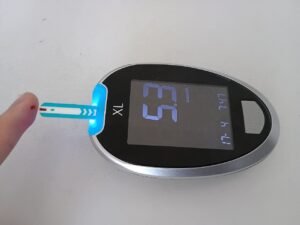
If you have diabetes, look after your feet carefully. Cracked skin from athlete’s foot can let bacteria in and lead to serious infections. Check your feet daily and see a health worker early for any foot problem.
When to see a doctor
See a doctor if the infection has not improved after two weeks of pharmacy treatment, keeps coming back, spreads to your nails, or if you have diabetes or a weakened immune system. Seek urgent care if the foot becomes red, hot, swollen and painful, you see pus, or you develop a fever, which could mean a bacterial infection.
Frequently asked questions
Is athlete’s foot contagious?
Yes. It spreads through contact with infected skin or contaminated floors, towels and shoes.
Will it go away without treatment?
It rarely clears completely on its own. Treatment is simple and effective.