
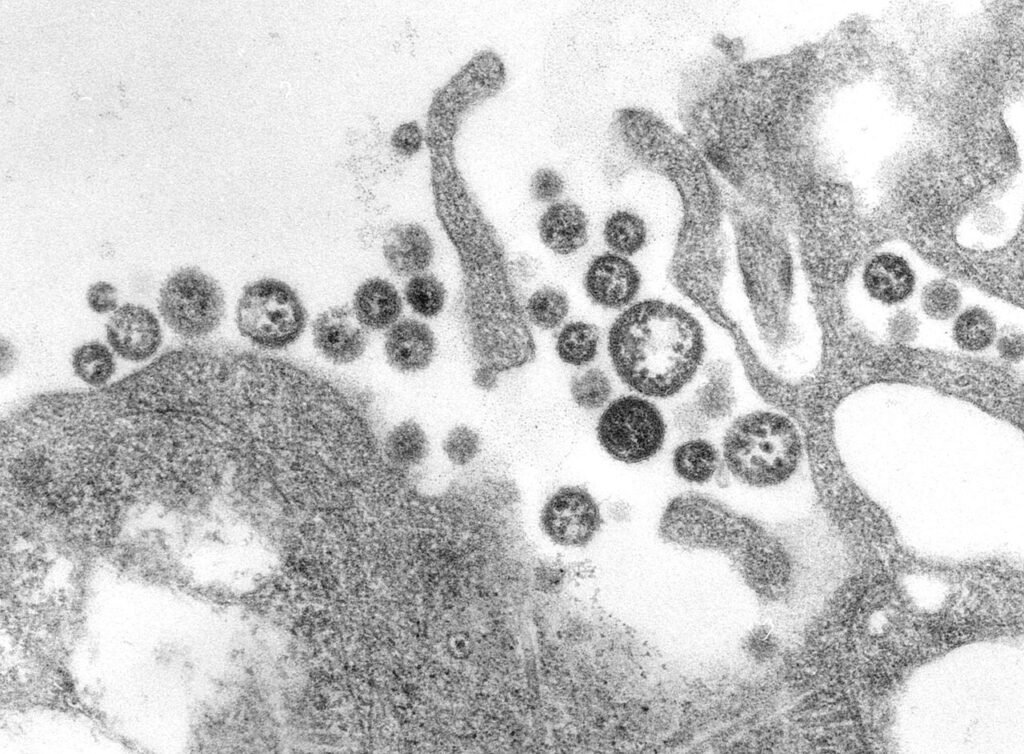
Lassa fever is an acute viral illness caused by the Lassa virus. It is endemic in parts of West Africa, including Nigeria, Sierra Leone, Liberia and Guinea. People are usually infected through food or household items contaminated with the urine or droppings of infected rats. Most infections are mild, but severe cases can be fatal, and early treatment greatly improves survival.
Key facts
- The virus is carried by the multimammate rat (Mastomys natalensis), which lives in and around homes.
- Nigeria reports cases every year, with a peak in the dry season from about November to April.
- Symptoms start 2 to 21 days after exposure and are easily confused with malaria or typhoid.
- The antiviral medicine ribavirin works best when started early.
- Keeping rats out of homes and food is the most effective prevention.
How Lassa fever spreads
From rats to people
Infected rats carry the virus for life without becoming ill and shed it in their urine and droppings. People become infected by:
- Eating food contaminated by rats, including grains and gari left uncovered or dried in the open
- Touching contaminated surfaces and then the mouth, nose or eyes
- Breathing in dust from contaminated areas
- Catching, preparing or eating rats
From person to person
The virus can pass between people through direct contact with the blood, urine, vomit, faeces or other body fluids of an infected person. This is why family caregivers and health workers are at risk, especially where gloves and other protective equipment are not used. It does not spread through casual contact such as shaking hands with someone who has no symptoms.
Symptoms
About 80% of people infected have mild symptoms or none. When symptoms appear, they usually begin gradually:
- Fever, general weakness and tiredness
- Headache, sore throat and muscle pain
- Chest pain, cough, nausea, vomiting, diarrhoea and abdominal pain
In severe cases, the following may develop:
- Swelling of the face
- Bleeding from the mouth, nose, gums, vagina or gut
- Fluid in the lungs and difficulty breathing
- Low blood pressure and shock
- Confusion, fits or coma
Deafness is a common complication among survivors and can be permanent. Lassa fever is particularly dangerous in pregnancy, with a high risk of losing the baby.
Diagnosis
Because early Lassa fever looks like many other fevers, it is often missed. Health workers should suspect it when a fever does not improve after malaria has been ruled out or treated, especially in the dry season or after contact with a known case. The diagnosis is confirmed by a laboratory test called RT-PCR, available at designated treatment centres and laboratories in Nigeria.
Treatment
- Ribavirin, an antiviral medicine, is most effective when started early in the illness.
- Supportive care is essential: fluids and correction of salts, oxygen, blood transfusion where needed, and treatment of other infections.
- Patients are cared for in isolation by trained staff wearing protective equipment to prevent spread.
Anyone who may have Lassa fever should be referred to a designated treatment centre as soon as possible. Early arrival is the single biggest factor in survival.
Prevention
At home
- Store grains, gari and other food in rodent-proof containers with tight lids.
- Do not dry food on the ground or roadside where rats can reach it.
- Keep the home and surroundings clean, block holes in walls and doors, and dispose of rubbish away from the house.
- Keep cats or use traps to control rats, and avoid handling dead rats with bare hands.
- Avoid catching or eating rats.
- Wash hands often with soap and water.
When caring for someone who is ill
- Avoid contact with blood and body fluids. Use gloves if you must clean up.
- Take a sick person with fever to a health facility early and tell staff about any known Lassa fever cases nearby.
- Health workers should apply standard infection prevention measures with every patient, whatever the suspected diagnosis.
There is currently no approved vaccine for Lassa fever, although several are in clinical trials.
When to see a doctor
See a health worker promptly for any fever that does not improve after two or three days, particularly if it did not respond to malaria treatment or you have been in contact with a confirmed case. Seek emergency care for bleeding, swelling of the face, difficulty breathing, confusion or fits. In Nigeria you can call the NCDC toll-free line, 6232, for advice.
Frequently asked questions
Can Lassa fever be cured?
Many people recover, especially with early ribavirin and good supportive care. Delay is what makes the disease most dangerous.
How long is a recovered person infectious?
The virus can remain in semen for several months after recovery, so survivors are advised to use condoms or avoid sex until tests show the virus has cleared. Follow the advice given at discharge.
Is every rat dangerous?
Not every rat carries the virus, but because you cannot tell by looking, treat all rat droppings and urine as potentially infectious.
Related guides


Sources
- World Health Organization: Lassa fever fact sheet
- Nigeria Centre for Disease Control and Prevention: Public advisory on Lassa fever
- NCDC: Lassa fever situation reports
